
Beautiful Plants For Your Interior

$1,200.00

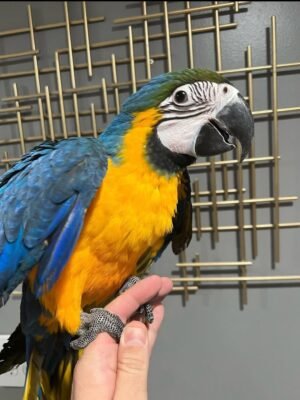
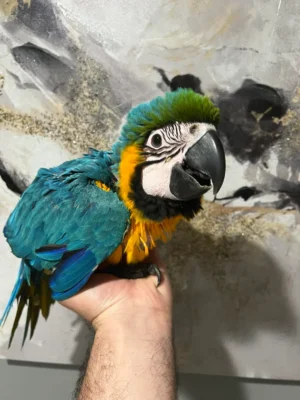
The Blue-Throated Macaw is a striking and highly intelligent parrot recognized for its vivid blue plumage, yellow-orange body, and distinctive blue throat. Scientifically known as Ara glaucogularis, this rare macaw is native to Bolivia and is considered one of the world’s most threatened macaw species.
Known for its intelligence, social nature, impressive appearance, and ability to form strong bonds with people, the Blue-Throated Macaw requires experienced and responsible care.
The Blue-Throated Macaw is a large South American parrot belonging to the macaw family. It was historically also called the Caninde Macaw.
Unlike some more widespread macaw species, the Blue-Throated Macaw has a very restricted natural distribution. Conservation programs have played an important role in protecting wild populations and raising awareness about the species.
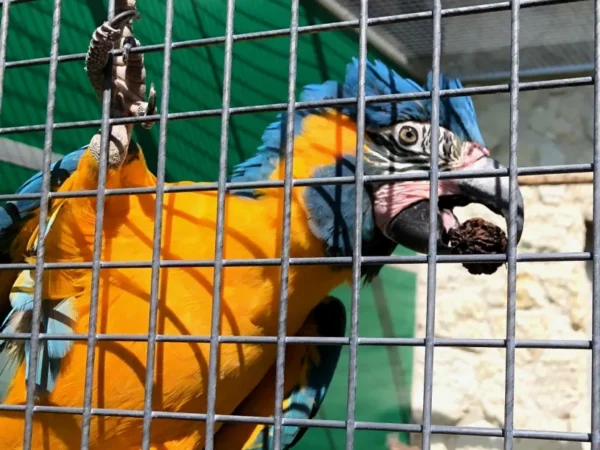
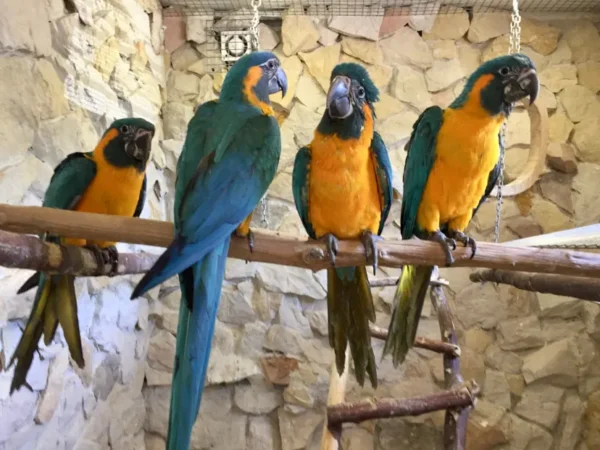
The Blue-Throated Macaw has an unmistakable appearance.
Its most recognizable features include:
Its dramatic coloration makes the Blue-Throated Macaw one of the most visually impressive parrots in the world.
The Blue-Throated Macaw is a large parrot with a long tail and powerful wings.
Its substantial body size means it needs considerably more space than smaller companion parrots. A suitable enclosure should allow the bird to move, climb, stretch its wings, and interact safely with enrichment items.
Because individual birds can differ in size, enclosure planning should focus on providing generous space rather than relying on a minimum measurement alone.
Blue-Throated Macaws are intelligent, social, active, and inquisitive birds.
A well-socialized individual may enjoy:
Their intelligence also means they need regular mental stimulation. A bored macaw can develop undesirable behaviors, including excessive vocalization or destructive chewing.
Yes. Blue-Throated Macaws can learn to imitate human speech and other sounds.
However, individual vocal abilities vary. Some birds may become accomplished mimics, while others may communicate primarily through natural calls, whistles, and body language.
Talking ability should therefore be viewed as one characteristic of the species rather than a guarantee for every individual bird.
Good nutrition is essential for maintaining the health of a Blue-Throated Macaw.
A balanced diet can include appropriate formulated parrot food, fresh vegetables, suitable fruits, and other foods recommended by an avian veterinarian.
Fresh water should always be available.
A diet based heavily on high-fat seeds or treats can contribute to nutritional imbalance and obesity, so portion control and dietary variety are important.
Because the Blue-Throated Macaw is a large and active parrot, it requires spacious, secure housing.
A suitable environment should provide:
Macaws have extremely powerful beaks, so enclosure materials and accessories must be durable and designed for large parrots.
Positive reinforcement is an effective approach to training parrots.
Training can help develop:
Short and consistent sessions are usually more effective than overwhelming the bird with lengthy training.
Blue-Throated Macaws are long-lived parrots. With appropriate nutrition, veterinary care, exercise, enrichment, and a safe environment, they can represent a commitment lasting many decades.
Anyone considering one should understand that bringing a macaw into the home is a long-term responsibility.
Regular veterinary care is an important part of responsible ownership.
Owners should establish a relationship with an experienced avian veterinarian and monitor the bird for changes in:
Early veterinary attention can be important when a bird shows unusual symptoms because parrots can hide signs of illness.
A Blue-Throated Macaw can be a remarkable companion for an experienced owner who understands the needs of a large, intelligent parrot.
However, it is not a low-maintenance pet.
Potential owners should be prepared for:
The bird’s welfare should always be the first consideration.
The Blue-Throated Macaw has faced serious conservation challenges in the wild. Habitat loss and historical capture for the wildlife trade contributed to its decline.
Conservation organizations and local communities have worked to protect remaining populations and their habitat.
Responsible ownership is particularly important for this species. Anyone acquiring a Blue-Throated Macaw should verify its legal origin and required documentation and should avoid supporting illegal wildlife trade.
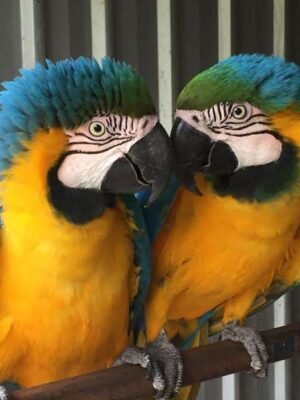
The Blue-Throated Macaw and Blue and Gold Macaw can look somewhat similar because both have blue and yellow coloration.
However, they are different species.
The Blue-Throated Macaw has a distinctive blue throat and a much more restricted natural range in Bolivia. The Blue and Gold Macaw has a broader South American distribution and is generally more commonly encountered in aviculture.
Both are large, intelligent parrots that require substantial space, enrichment, and responsible care.
The Blue-Throated Macaw is a large South American parrot scientifically known as Ara glaucogularis, native to Bolivia.
They can be rewarding companions for experienced owners who can provide appropriate housing, nutrition, enrichment, veterinary care, and daily interaction.
Yes. Individual birds can learn to imitate human speech and other sounds, although talking ability varies.
They require a balanced parrot diet that can include appropriate formulated food, vegetables, suitable fruits, and other foods recommended by an avian veterinarian.
Blue-Throated Macaws are long-lived parrots and can require decades of responsible care.
The species is native to Bolivia, where it occupies a highly restricted natural range.
The species is highly threatened in the wild, which makes conservation and responsible, legal ownership particularly important.
The Blue-Throated Macaw is an exceptionally beautiful and intelligent parrot. Its distinctive blue throat, vibrant plumage, social personality, and impressive intelligence make it a fascinating species.
At the same time, its size, intelligence, noise level, long lifespan, and conservation status mean that ownership should never be taken lightly.
Responsible care, legal sourcing, conservation awareness, appropriate veterinary support, and a commitment to the bird’s lifelong welfare are essential for anyone considering a Blue-Throated Macaw.


Reviews
There are no reviews yet.