
Beautiful Plants For Your Interior

$5,350.00
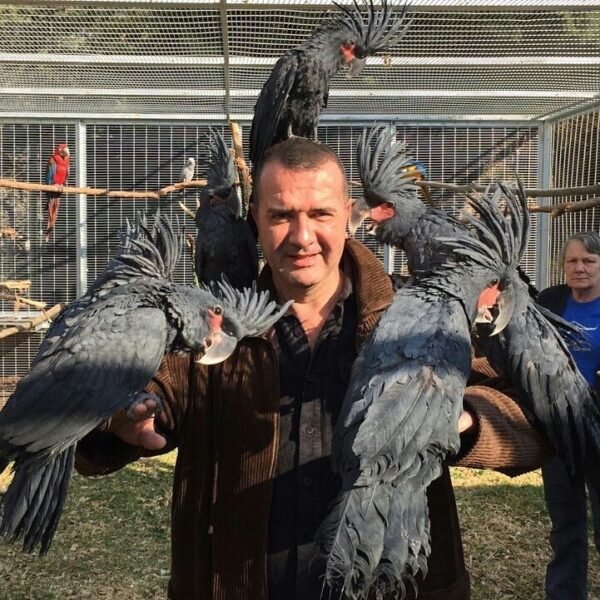
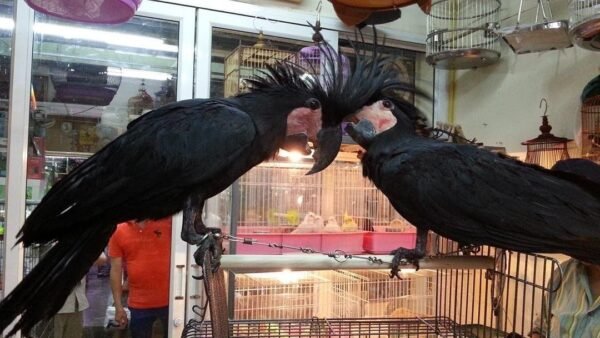
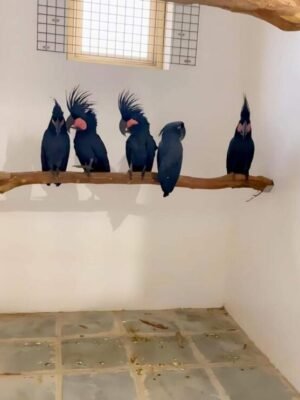
The Black Palm Cockatoo parrot is one of the most striking and unusual parrots in the world. Famous for its enormous black beak, dark charcoal feathers, bright red cheek patches, and impressive crest, this remarkable bird stands apart from almost every other cockatoo species.
Native to northern Australia and New Guinea, the Black Palm Cockatoo is also known as the Palm Cockatoo. Its scientific name is Probosciger aterrimus. Unlike many familiar pet parrots, this species has highly specialized habitat requirements and complex natural behaviors that make it particularly fascinating to bird enthusiasts, researchers, and wildlife lovers.
In this guide, we explore the Black Palm Cockatoo’s appearance, habitat, diet, behavior, lifespan, reproduction, conservation, and other interesting facts.
The Black Palm Cockatoo is a large member of the cockatoo family, Cacatuidae. It is recognized for its dark plumage, powerful bill, tall crest, and distinctive red facial skin.
Unlike smaller parrots, Black Palm Cockatoos have a powerful presence and an exceptionally large beak. They use this specialized bill for feeding, manipulating objects, and interacting with their environment.
The species occurs primarily in tropical regions of northern Australia and parts of New Guinea. It generally prefers forested habitats where suitable nesting trees and food sources are available.
One of the easiest ways to identify a Black Palm Cockatoo is its dramatic appearance.
Adults typically have:
The red cheek patch is particularly noticeable when the bird becomes excited or displays certain behaviors.
Their combination of black plumage and vivid red facial coloration makes them one of the most recognizable cockatoos in the world.
Black Palm Cockatoos are among the largest cockatoos. Adults can reach approximately 55 to 60 centimeters (22 to 24 inches) in length, although size varies between individuals and populations.
Their large body, powerful bill, long wings, and substantial crest give them an impressive appearance compared with many other parrots.
Black Palm Cockatoos inhabit tropical and subtropical environments in northern Australia and New Guinea.
In Australia, they are associated particularly with parts of northern Queensland and the Cape York Peninsula. Their habitats can include:
The availability of large mature trees is particularly important because these birds depend on suitable tree cavities for nesting.
Habitat quality is extremely important to the survival of Black Palm Cockatoo populations.
These birds require a combination of food resources, nesting sites, and suitable forest structure. Large mature trees can provide essential nesting cavities, while native vegetation supplies seeds, fruits, nuts, and other foods.
Because suitable nesting trees may take many decades to develop large cavities, the loss of mature forests can have long-term consequences for the species.
The Black Palm Cockatoo is primarily a plant-eating parrot. Its powerful bill allows it to open and process foods that would be difficult for smaller parrots to handle.
Its diet can include:
The exact diet depends on location, season, and food availability.
Their strong beaks are particularly useful for breaking apart tough plant material and accessing nutritious seeds.
Black Palm Cockatoos are intelligent, social, and highly vocal birds.
They can produce loud calls that carry through their forest habitat. These vocalizations may help birds communicate with mates, family members, or other individuals.
They are also known for their unusual object-manipulation behavior.
One of the most fascinating behaviors associated with Black Palm Cockatoos is their use of sticks or other objects to produce rhythmic sounds.
A bird may break off a suitable stick and strike it against a tree or another surface. Researchers believe this behavior may play a role in communication and social or courtship displays.
This behavior is especially remarkable because it demonstrates sophisticated object manipulation in a wild parrot.
Yes. Black Palm Cockatoos are considered highly intelligent parrots.
Their intelligence is reflected in behaviors such as:
Their ability to select and manipulate objects for specific purposes has made them especially interesting to scientists studying animal cognition.
Black Palm Cockatoos can potentially live for several decades, particularly under favorable conditions.
However, determining the exact maximum lifespan of wild individuals is difficult because long-term monitoring is challenging. Captive birds may also have different lifespans from wild birds because of differences in nutrition, veterinary care, environment, and stress.
Their long life expectancy means that caring for one in captivity is a major long-term commitment.
Black Palm Cockatoos have relatively specialized breeding requirements.
They generally nest in large tree cavities. A suitable cavity needs to provide enough space and protection for the nesting pair and their offspring.
The availability of appropriate nesting trees is therefore an important factor affecting reproduction.
Breeding pairs invest considerable care in raising their young, and successful reproduction depends on suitable habitat, food availability, and nesting conditions.
Young Black Palm Cockatoos depend heavily on their parents during their early development.
The adults provide food and protection while the chick grows and develops the physical abilities necessary for independent life.
Because the species has a relatively slow reproductive strategy, the loss of breeding adults or nesting habitat can have significant effects on local populations.
Although Black Palm Cockatoos are fascinating birds, they are not suitable pets for most people.
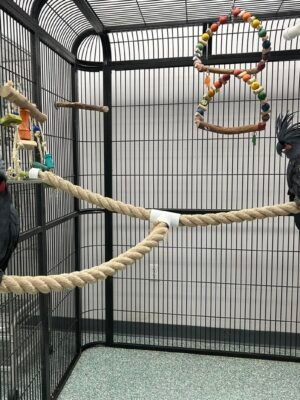
They are exceptionally large, intelligent, loud, and behaviorally complex. They require substantial space, enrichment, specialized nutrition, and experienced care.
Potential challenges include:
A person interested in parrots should carefully research the welfare requirements of large cockatoos before considering ownership.
For most people, observing Black Palm Cockatoos in reputable wildlife facilities or in their natural habitat is a better option than attempting to keep one as a household pet.
Conservation of Black Palm Cockatoos depends heavily on protecting their natural habitat.
Important conservation measures include:
Because these birds depend on large mature trees for nesting, protecting old trees can be especially important.
Like many wildlife species, Black Palm Cockatoos can be affected by changes to their environment.
Potential threats include habitat loss, degradation of forest ecosystems, loss of mature nesting trees, and other human-driven changes to their natural range.
Climate-related changes may also influence food availability, vegetation, fire patterns, and habitat conditions.
Conservation efforts therefore need to consider the entire ecosystem rather than focusing only on individual birds.
Here are some fascinating facts about these extraordinary parrots:
The Black Palm Cockatoo differs from many other cockatoos in several important ways.
Its exceptionally large bill, dark coloration, red facial skin, distinctive crest, and unusual drumming behavior make it particularly distinctive.
Compared with smaller cockatoos, it also has significantly greater physical strength and more demanding environmental and behavioral requirements.
Black Palm Cockatoos are specialized tropical parrots with a relatively restricted natural distribution. Their conservation status varies according to population and assessment, so current regional conservation information should be consulted when evaluating their status.
They are naturally found in northern Australia and New Guinea, particularly in tropical and forested environments.
Their diet primarily consists of plant-based foods such as seeds, nuts, fruits, flowers, and other vegetation, with some variation depending on habitat and season.
They can live for many decades, although exact lifespan varies between individuals and conditions.
Like other intelligent parrots, Black Palm Cockatoos can learn and produce a range of sounds. However, their natural communication consists of species-specific calls rather than human speech.
The red facial skin is a distinctive characteristic of the species. The coloration can become particularly noticeable during displays and periods of excitement.
Their conservation status should be checked against the latest assessment because populations and conservation classifications can change. Habitat protection remains important for maintaining healthy populations.
The Black Palm Cockatoo parrot is an extraordinary example of avian intelligence and adaptation. From its massive black bill and dramatic red cheek patches to its sophisticated use of objects for drumming, this bird has many characteristics that set it apart from other parrots.
Protecting mature forests and suitable nesting trees is essential for the long-term survival of these remarkable birds. For bird lovers, seeing a Black Palm Cockatoo in its natural environment is an unforgettable experience—and a reminder of why tropical forest ecosystems deserve protection.
Black Palm Cockatoo Parrots: 15 Fascinating Facts About This Remarkable Bird
The Black Palm Cockatoo parrot, commonly called the Palm Cockatoo, is one of the most distinctive parrots on Earth. With glossy black feathers, a towering crest, a massive curved bill, and vivid red cheek patches, this extraordinary bird is easy to recognize.

Its scientific name is Probosciger aterrimus, and it is the only species in the genus Probosciger. Palm Cockatoos occur in northern Australia, New Guinea, and nearby islands, where they inhabit tropical forests, woodlands, and forest-edge environments.
But their appearance is only part of what makes these parrots special. They are highly intelligent birds with unusual social behaviors, specialized nesting requirements, and one of the most remarkable courtship displays known among parrots.
1. Black Palm Cockatoos Are Huge Parrots
The Palm Cockatoo is one of the largest cockatoos. Adults can reach roughly 55–60 centimeters in length, with some individuals weighing around a kilogram.
Their size is complemented by an exceptionally powerful bill. This large bill allows them to handle hard seeds, fruits, nuts, and other foods that require considerable strength to open.
Australian Wildlife Conservancy
2. Their Appearance Is Impossible to Miss
The Black Palm Cockatoo has a dramatic combination of features:
Glossy black or slate-black plumage
A long, upright crest
A huge dark gray to black bill
Bright red patches of bare facial skin
Long wings and tail
Strong feet for climbing and handling food
The red cheek patches can become especially vivid when the bird is excited or displaying.
3. Where Do Black Palm Cockatoos Live?
Black Palm Cockatoos are native to parts of northern Australia, New Guinea, and nearby islands.
In Australia, the species is particularly associated with Cape York Peninsula in Queensland. Its habitat includes tropical lowland rainforest, woodland, savanna, forest edges, and riparian environments.
They often live where different habitat types meet, giving them access to both feeding areas and suitable nesting trees.
4. They Depend on Large, Mature Trees
One of the most important facts about Palm Cockatoos is their dependence on suitable tree hollows.
Breeding pairs use large cavities in mature trees as nesting sites. Research on Cape York populations has shown strong competition for nest hollows, while many nesting attempts fail.
This means protecting old trees can be just as important as protecting the birds themselves.
5. What Do Black Palm Cockatoos Eat?
Palm Cockatoos primarily eat plant foods. Their diet includes:
Seeds
Nuts
Fruits
Leaf buds
Other plant material
They may also consume insects and their larvae. Their powerful bills are particularly well adapted to crushing hard seeds and fruits.
By eating fruits and transporting seeds, Palm Cockatoos can also contribute to seed dispersal within their ecosystems.
6. The Black Palm Cockatoo Is Famous for Drumming
Perhaps the most fascinating Black Palm Cockatoo behavior is drumming.
Males can select pieces of wood or seed pods and use them to strike tree trunks, producing rhythmic sounds. This behavior is associated with courtship and territorial communication.
The behavior is remarkable because the bird is not simply making noise with its body or voice—it is deliberately manipulating an object to create sound.
7. Each Bird Can Have Distinctive Drumming Behavior
Palm Cockatoo drumming has attracted considerable scientific interest because individual males can use different objects and produce distinctive rhythms.
This unusual behavior provides researchers with an excellent opportunity to study animal intelligence, communication, object manipulation, and courtship.
8. They Are Highly Intelligent Parrots
Like many large parrots, Palm Cockatoos display impressive behavioral flexibility.
They manipulate objects, process difficult foods with their bills, communicate through a wide range of vocalizations, and perform elaborate social displays.
Their drumming behavior makes them particularly interesting when scientists study the evolution of tool use and complex communication in birds.
9. Black Palm Cockatoos Have a Slow Reproductive Strategy
Palm Cockatoos reproduce relatively slowly.
Females generally lay one egg, and breeding does not necessarily occur every year. Research on Cape York birds found that they bred on average about once every 2.2 years, contributing to their slow population growth.
This slow reproductive rate can make populations more vulnerable when adults, nest trees, or habitat are lost.
10. Nesting Success Can Be Surprisingly Low
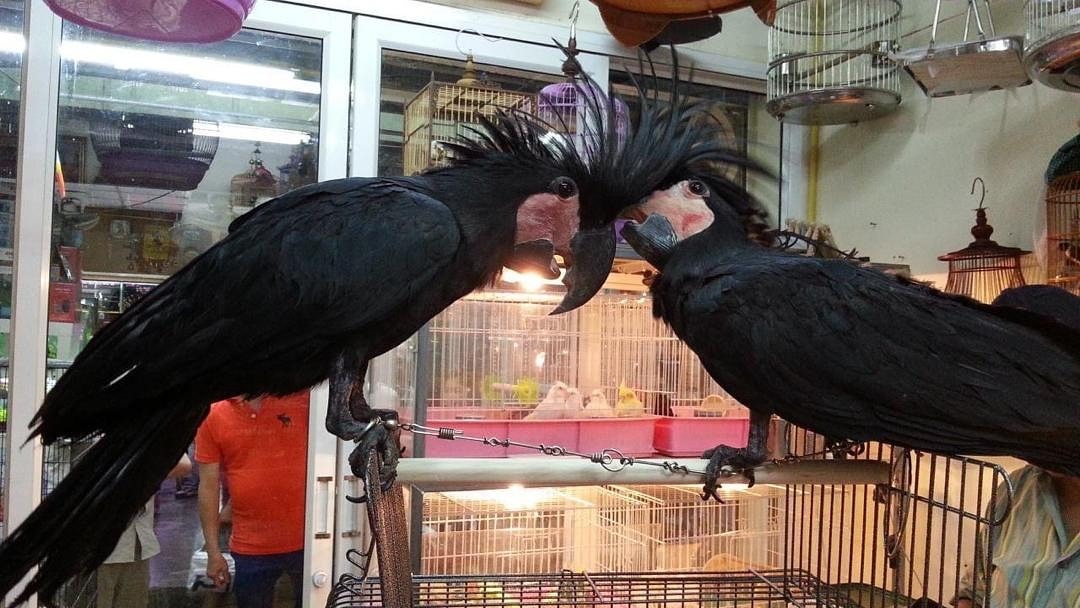
Research has found exceptionally high nesting failure in some studied Palm Cockatoo populations.
A detailed study of Cape York birds reported that 81% of monitored active nests failed to produce a fledgling. The researchers concluded that this slow life-history strategy makes the species particularly sensitive to environmental disturbances.
This is one reason conservation of breeding habitat is so important.
11. How Long Do Black Palm Cockatoos Live?
Palm Cockatoos can be long-lived birds, although determining the maximum lifespan of wild individuals is difficult.
Records and estimates for cockatoos suggest that individuals can live for several decades, while some captive Palm Cockatoos have reached advanced ages.
Their potentially long lifespan also means that protecting mature breeding adults is important for maintaining populations.
12. Are Black Palm Cockatoos Good Pets?
Although these parrots are fascinating, keeping a Black Palm Cockatoo is a major responsibility.
They are large, powerful, intelligent, noisy, and behaviorally complex birds. Their enormous bills can cause serious damage to unsuitable enclosures or household objects, while their social and environmental needs can be difficult to satisfy in a typical home.
Wild populations have also been affected by trapping and illegal wildlife trade, making responsible conservation especially important.
For most people, seeing these magnificent parrots in a responsible wildlife facility or in their natural habitat is preferable to keeping one as a household pet.
13. What Threatens Black Palm Cockatoos?
Habitat degradation is one of the major concerns for Palm Cockatoo conservation.
Potential pressures include:
Loss of mature nesting trees
Habitat clearing
Altered fire regimes
Mining and other land-use changes
Illegal trapping
Loss of suitable nest cavities
Increasing environmental pressures
The World Parrot Trust reports that threats across the species’ range include habitat and nest-cavity loss, changing fire regimes, and trapping for the pet trade.
14. Conservation Requires Protecting Their Habitat
Protecting Black Palm Cockatoos requires more than simply protecting individual birds.
Conservation programs can include habitat preservation, protection of mature nesting trees, fire management, population monitoring, and research into breeding behavior.
In Queensland, the Australian Palm Cockatoo population has received particular conservation attention, including habitat monitoring and strategic fire management.
15. Black Palm Cockatoo Parrots Are Truly Unique
The Black Palm Cockatoo combines many unusual characteristics in one species: enormous size, powerful bills, dramatic coloration, complex vocalizations, sophisticated social behavior, specialized nesting requirements, and remarkable drumming.
For bird enthusiasts, it is much more than a beautiful black parrot. It is an important part of tropical ecosystems and an extraordinary example of how intelligent birds can adapt their behavior to their environment.
What is a Black Palm Cockatoo?
A Black Palm Cockatoo is a large cockatoo species scientifically known as Probosciger aterrimus. It is native to northern Australia, New Guinea, and surrounding islands.
What does a Black Palm Cockatoo look like?
It has predominantly black plumage, a long crest, a massive dark bill, and distinctive red patches of bare skin on its cheeks.
How big is a Black Palm Cockatoo?
Adults can reach approximately 55–60 centimeters in length, with some weighing around 1 kilogram.
What do Black Palm Cockatoos eat?
They primarily eat seeds, fruits, nuts, leaf buds, and other plant foods. They may occasionally eat insects and larvae.
Why do Palm Cockatoos drum?
Males use sticks, seed pods, or pieces of vegetation to produce rhythmic sounds against trees. The behavior is associated with courtship and territorial displays.
Where can Black Palm Cockatoos be found?
They occur in northern Australia, New Guinea, and several nearby islands. The Australian population is concentrated on Cape York Peninsula in Queensland.
Can Black Palm Cockatoos be kept as pets?
They can be maintained in captivity under specialized conditions, but their size, intelligence, strength, noise, long lifespan, and complex behavioral needs make them unsuitable for most households.
Conclusion
The Black Palm Cockatoo parrot is one of the world’s most spectacular and unusual parrots. Its striking black appearance, red cheek patches, enormous bill, and famous drumming behavior make it a favorite among bird lovers and researchers alike.
Reviews
There are no reviews yet.