
Beautiful Plants For Your Interior
$89.00
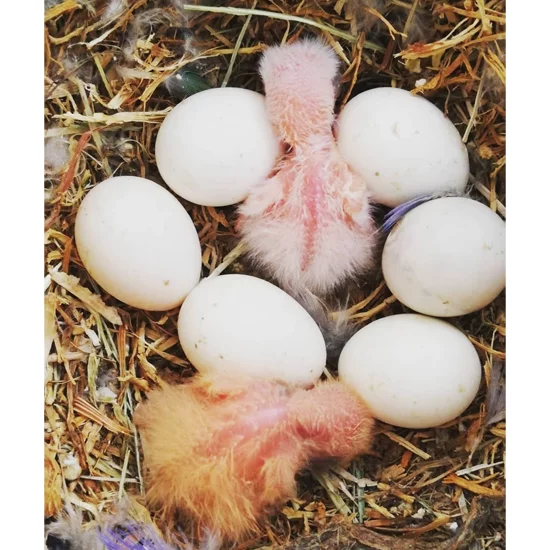
Blue Throated Macaw eggs for sale . We are specialized in the breeding of birds/parrots and we sell very fertile candle lit eggs of all species of parrots. all our eggs are collected from very healthy birds in our aviary , candle tested and 100% confirmed fertile for hatching healthy babies
Blue-throated Macaw eggs are an important part of the reproductive cycle of one of the world’s most threatened macaw species. Understanding their development, incubation, nesting behavior, and hatching process can help aviculturists, researchers, and bird enthusiasts better appreciate the species and support responsible conservation.
The Blue-throated Macaw (Ara glaucogularis) is a large South American parrot native to Bolivia. Its breeding biology is closely connected to suitable nesting sites, food availability, environmental conditions, and the health of the breeding pair.
A healthy breeding cycle begins with courtship and nesting behavior before the female lays her eggs. The eggs then undergo several stages of development during incubation before the chicks hatch.
Blue-throated Macaws typically form strong pair bonds and rely on suitable cavities for nesting. Nesting conditions can influence breeding success, making habitat protection particularly important for wild populations.
In managed breeding environments, responsible husbandry focuses on providing appropriate nutrition, secure nesting conditions, veterinary oversight, and minimal disturbance during the breeding period.
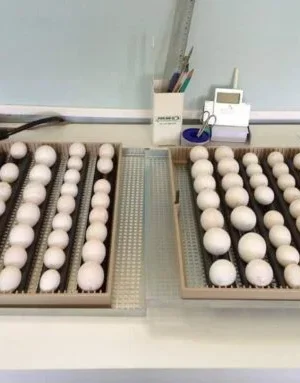
Incubation is the period during which the developing embryo remains inside the egg under controlled warmth and humidity. In parrots, successful incubation depends on maintaining appropriate environmental conditions and ensuring that eggs are not unnecessarily disturbed.
Professional aviculturists generally monitor breeding pairs and eggs carefully while following species-specific veterinary and husbandry recommendations.
As development progresses, the embryo undergoes major changes inside the egg. Eventually, the developing chick becomes sufficiently mature to begin the hatching process.
Hatching is a delicate stage. Excessive handling or inappropriate environmental conditions can interfere with successful development. For this reason, breeding programs should rely on experienced avian professionals when intervention is necessary.
Clutch size can vary, and individual breeding attempts may not produce the same number of eggs. Factors such as the age and health of the breeding pair, environmental conditions, nutrition, and reproductive history can all influence breeding outcomes.
Responsible Blue-throated Macaw breeding should prioritize the welfare and conservation of the species rather than production alone. Breeders should work with qualified avian veterinarians and maintain accurate records of parentage, health, reproduction, and hatchling development.
Because the Blue-throated Macaw is a highly threatened species, applicable wildlife regulations and documentation requirements should always be reviewed before breeding or transferring birds or their reproductive material.
The Blue-throated Macaw has faced serious threats from habitat loss and historical pressures on wild populations. Conservation programs therefore play an important role in protecting remaining populations and their habitat.
Understanding egg development and reproductive biology contributes to broader conservation knowledge. Captive-breeding programs can also support conservation objectives when they are conducted ethically, legally, and as part of recognized conservation efforts.
The incubation period can vary. Species-specific husbandry references and an avian veterinarian should be consulted for precise guidance because individual breeding circumstances can differ.
Experienced aviculturists may use appropriate monitoring techniques to assess development. Because improper handling can damage an embryo, eggs should be examined only using established professional procedures.
Nutrition, parental health, nesting conditions, environmental stability, incubation conditions, and genetics can all influence reproductive success.
Successful reproduction is essential to maintaining populations. Studying reproductive biology can help conservationists improve breeding programs and better understand the species’ natural history.
Blue-throated Macaw eggs represent an important stage in the life cycle of Ara glaucogularis. From nesting and egg formation through incubation and hatching, successful reproduction depends on suitable conditions and careful management.
For anyone working with this species, responsible husbandry, professional veterinary guidance, legal compliance, and conservation-focused practices should remain the highest priorities.
Reviews
There are no reviews yet.