
Beautiful Plants For Your Interior



$5,000.00
These are particularly useful for FAQ sections and featured snippets:
Use these naturally throughout the article rather than repeatedly targeting the exact same phrase:
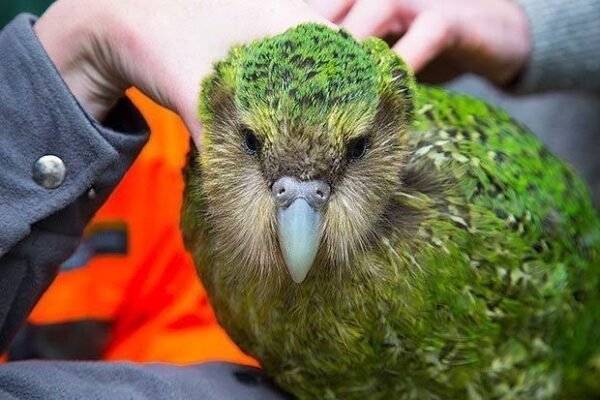
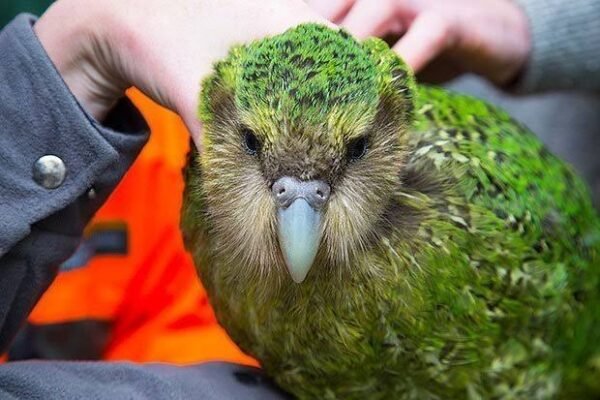
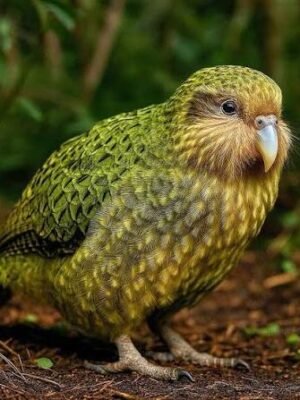
The kākāpō bird is one of the most fascinating and unusual birds in the world. Native to New Zealand, the kākāpō (Strigops habroptilus) is a large, flightless parrot known for its green feathers, nocturnal lifestyle, climbing ability and distinctive calls. Unlike most parrots, kākāpō cannot fly, but they are excellent walkers and climbers.
Once widespread across New Zealand, kākāpō are now critically endangered and protected through intensive conservation programmes. Learning about their life and behaviour provides an insight into one of the world’s most remarkable bird species.
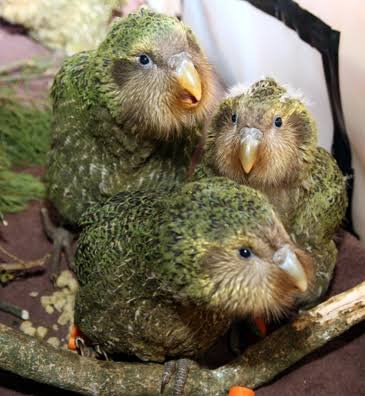
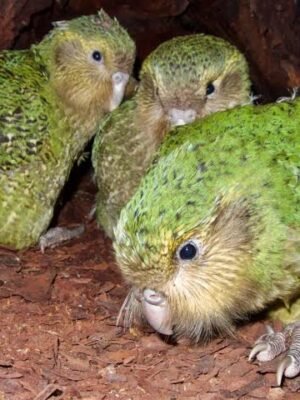
The kākāpō is a flightless, nocturnal parrot belonging to the parrot family. It has a round body, strong legs, a broad beak and soft green feathers that help it blend into the forest environment.
Its inability to fly makes it very different from other parrots. Instead of flying between trees, a kākāpō uses its powerful legs and claws to climb and move across the ground. It can also spread its wings to help control its descent when moving down from trees.
Kākāpō originally lived in many parts of New Zealand, particularly in native forests. Their natural environment provided food, nesting areas and places to shelter during the day.
Today, surviving kākāpō are managed in protected, predator-free environments. Conservation teams carefully monitor the birds and their habitats to improve their chances of survival.
One of the most interesting features of kākāpō behaviour is that these birds are mostly active at night. During daylight hours, they usually rest in sheltered areas. After dark, they become active and travel around their habitat looking for food.
Kākāpō are generally solitary. They use their strong legs to walk long distances and their claws to climb trees. Their excellent sense of smell also helps them locate food and navigate their surroundings.
Despite their unusual appearance, kākāpō are generally described as curious and relatively gentle birds. Individual birds can develop distinctive personalities and behaviours.
Kākāpō are herbivores, meaning their diet consists almost entirely of plant material. They eat a variety of native vegetation, including leaves, roots, seeds, flowers and fruit.
Their diet can change according to what plants are producing food at different times of the year. The availability of nutritious food is especially important during breeding periods because females need sufficient food to produce eggs and raise chicks.
Kākāpō have an unusual breeding system called lek breeding. During the breeding season, males travel to traditional display areas and create bowl-shaped depressions in the ground.
From these locations, males produce deep booming sounds designed to attract females. They may continue calling for long periods during the night.
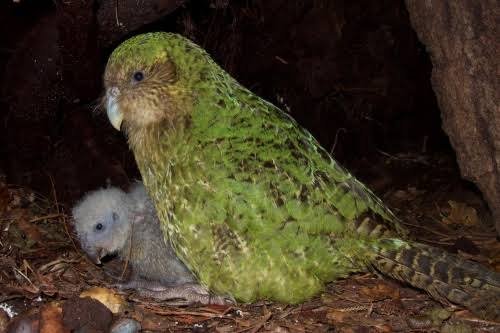
Females visit the males and select their mates. After mating, the female is responsible for raising the chicks. The male does not provide parental care.
Kākāpō do not necessarily breed every year. Breeding is strongly influenced by the availability of abundant food, particularly when native plants produce large quantities of fruit.
Communication is an important part of kākāpō behaviour. Males are particularly famous for their deep booming calls, which can travel long distances.
They also produce other sounds, including high-pitched calls often described as “chings.” These vocalisations help kākāpō communicate during their nocturnal activities and breeding season.
Kākāpō evolved in an environment where there were few native mammalian predators. Over time, they lost the need for strong flight ability.
Their bodies became heavier, their wings became relatively small, and their breast muscles were not adapted for sustained flight. Instead, kākāpō developed strong legs that are useful for walking and climbing.
This adaptation worked well in their original environment but became a serious disadvantage when humans introduced predators such as rats, cats and stoats to New Zealand.
The kākāpō population suffered a dramatic decline because of introduced predators, habitat changes and other human impacts. Because kākāpō are flightless and often nest on or near the ground, they are particularly vulnerable to predators.
https://exoticsbirds.com/product/amazing-kakapo-birds-for-sale/
Modern conservation programmes protect the remaining birds by controlling predators, monitoring individual kākāpō, managing breeding and providing additional support when necessary.
Saving the kākāpō requires long-term conservation work. Scientists and conservation teams identify individual birds, monitor their health and movements, protect nesting areas and carefully manage breeding.
Technology also plays an important role. Tracking devices and monitoring systems allow conservationists to understand where birds are moving and identify potential problems.
The recovery of the kākāpō demonstrates how dedicated conservation can help protect a species that once faced an extremely serious risk of extinction.
The kākāpō bird is an extraordinary example of evolution and adaptation. Its flightless body, nocturnal lifestyle, climbing skills, plant-based diet and unusual breeding behaviour make it unlike almost any other parrot.
Reviews
There are no reviews yet.