
Beautiful Plants For Your Interior
$6,000.00
The kākāpō is one of the world’s most unusual birds. Native to New Zealand, this large, flightless parrot is famous for its nocturnal lifestyle, distinctive green feathers, gentle personality and remarkable climbing ability. Scientifically known as Strigops habroptilus, the kākāpō is also one of the world’s rarest parrots.
Understanding the life and behaviour of kākāpō birds helps explain why this unique species is so important to New Zealand’s natural heritage and conservation efforts.
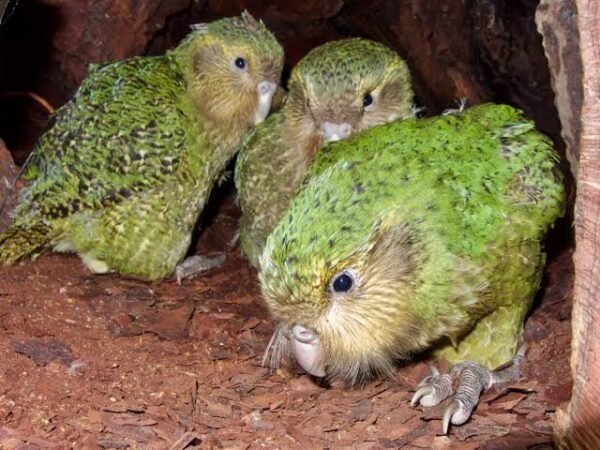
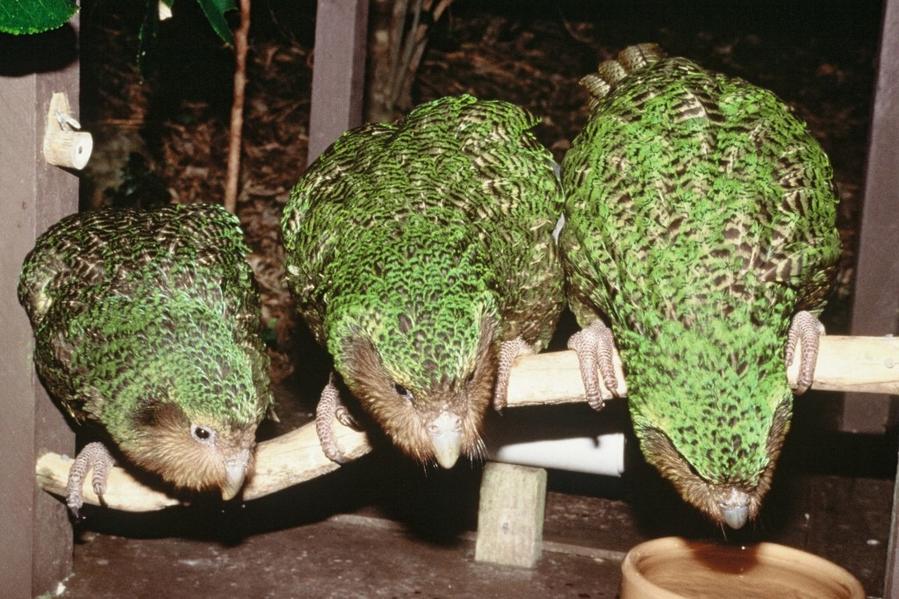
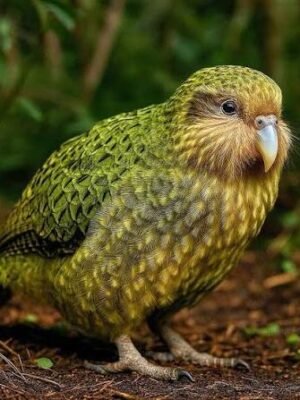
The kākāpō is a large, flightless parrot found only in New Zealand. Unlike most parrots, it cannot fly because its wings are relatively short and its body is heavy. Instead, it uses its strong legs to walk across the forest floor and its claws to climb trees.
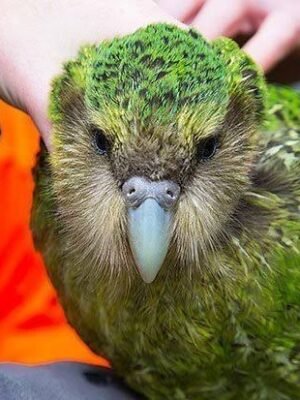
Kākāpō have soft, moss-green feathers that provide excellent camouflage among vegetation. They also have a distinctive facial appearance, with whisker-like feathers surrounding their eyes and beak.
Historically, kākāpō lived throughout much of New Zealand, including forests and grasslands. Today, surviving birds are carefully managed on predator-free islands and protected areas.
Their habitat provides food, shelter and suitable nesting sites. Because kākāpō evolved without many land predators, introduced mammals such as rats, stoats and cats had a devastating effect on their populations.
One of the most interesting characteristics of the kākāpō is its nocturnal behaviour. Kākāpō are generally active at night, when they leave their resting places to search for food and explore their surroundings.
During the day, they typically remain hidden among vegetation or in sheltered locations.
Kākāpō are also relatively solitary birds. Adults generally spend much of their time alone, although they may encounter other kākāpō while feeding or during the breeding season.
Although kākāpō cannot fly, they are surprisingly capable climbers. They can use their powerful legs and claws to climb trees in search of food. From elevated branches, they may descend by spreading their wings and gliding toward the ground.
On the ground, kākāpō can walk considerable distances. Their strong legs allow them to travel through forest environments while searching for food and suitable shelter.
Kākāpō are herbivores. Their diet consists mainly of plant material, including leaves, roots, seeds, fruits and other parts of native vegetation.
They are particularly well adapted to finding food at night. Their strong beaks help them process tough plant material, while their excellent sense of smell can help them locate food.
Their diet can change depending on the plants and fruits available in their environment.
Kākāpō have a fascinating and unusual breeding system. Males gather in traditional display areas known as leks, where they compete for the attention of females.
During breeding periods, males produce deep booming calls that can travel long distances through the landscape. They also make sharp, metallic calls known as “chings.”
Females visit the males and choose mates. After mating, females raise the chicks largely on their own. This means successful breeding depends heavily on the availability of suitable food for mothers and their young.
Kākāpō are believed to be exceptionally long-lived compared with many other birds. Their slow life history is one reason their population can recover only gradually after major declines.
They mature relatively slowly and do not necessarily breed every year. Successful breeding is strongly linked to the availability of abundant native food.
The kākāpō population declined dramatically after humans arrived in New Zealand. Introduced predators could easily attack the flightless birds and their eggs and chicks.
Habitat changes and other environmental pressures also contributed to their decline.
Today, kākāpō are the focus of intensive conservation management. Individual birds are monitored, breeding is carefully managed, and conservationists work to protect them from predators and improve breeding success.
The kākāpō represents an extraordinary part of New Zealand’s natural history. Its unusual evolution—including flightlessness, nocturnal behaviour and lek breeding—developed in an environment where native birds faced relatively few mammalian predators.
Protecting kākāpō is therefore about more than saving a single endangered species. Their conservation also helps preserve native ecosystems and demonstrates how intensive wildlife management can give threatened species a chance to recover.
The kākāpō is a remarkable bird with a fascinating life and distinctive behaviour. From its nocturnal adventures and tree-climbing abilities to its unusual breeding calls and plant-based diet, almost everything about this flightless parrot is unique.
Although the species has faced serious threats, dedicated conservation work continues to protect the remaining population. The kākāpō’s story is a powerful example of both the vulnerability of wildlife and the possibilities of successful conservation.
Reviews
There are no reviews yet.