
Beautiful Plants For Your Interior
$2,000.00
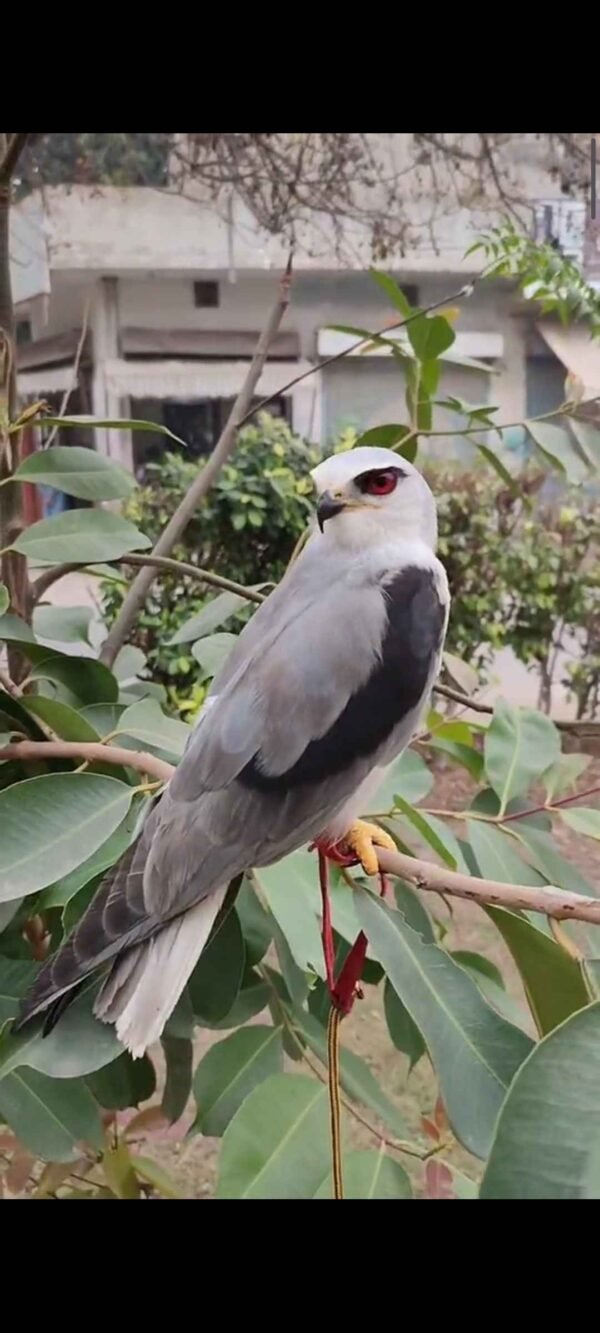
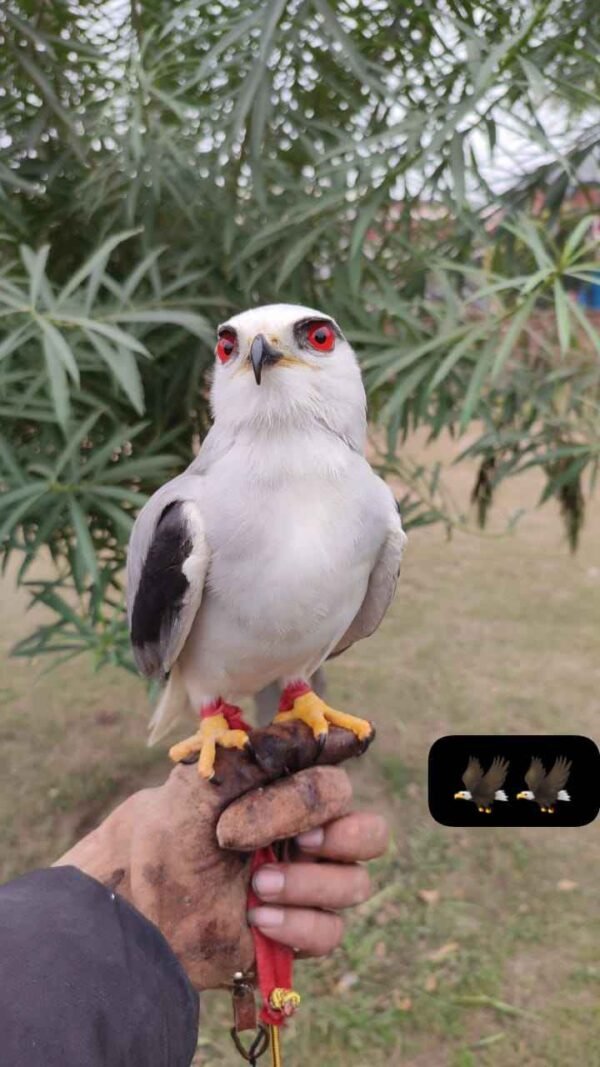
red-eyed falcon for sale
red falcon ebay
red eyed falcon
red tailed hawk for sale falconry
red tail falcon for sale
a red falcon
black red falcon
falcon red eyes
red falcon crow
red falcon rod
red falcon car
falcon red dot sight
falcon red drone
ebay falcon for sale
falcon ebay
ford red falcon
golden eagle falconry for sale
g falcon price usa
red falcon images
m2 ford falcon
falcon red face
peregrine falcon red eyes
quad falcon for sale
falcon quad price
falcon redbird
red wing falcon
yellow eye falcon
red falcon 1-1
red falcon 1 cc
2 red falcons
falcon red dot
6 falcon
62 falcon rat rod
72 falcon for sale
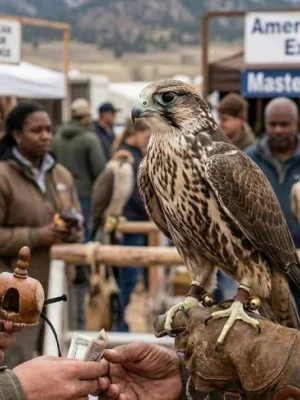
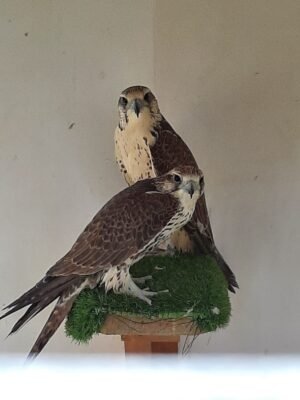
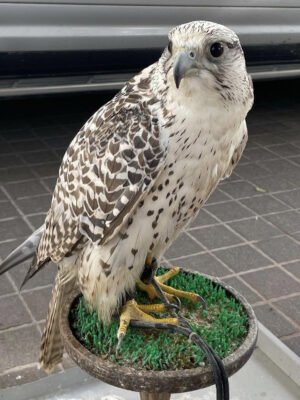
The term “red-eyed falcon” may be used informally to describe a falcon or other raptor with noticeably reddish or red-toned eyes. Because eye color can vary with age, lighting, and species, it should not be used as the sole basis for identification. Accurate identification requires examining several physical and behavioral characteristics together.
When identifying a suspected red-eyed falcon, look at the bird as a whole. Important features include:
Photographs taken from several angles can make identification considerably easier. Geographic range is also an important clue because many falcon species have distinctive distributions.
Falcons occupy a wide variety of habitats, including open grasslands, deserts, forests, wetlands, coastal areas, and urban environments. The habitat of a particular species depends on its natural range and prey availability.
When identifying a raptor, note the surrounding landscape, vegetation, elevation, and proximity to cliffs, trees, water, or other potential nesting locations.
Falcons are generally agile, powerful fliers and many species hunt by pursuing prey in flight. Depending on the species, they may also hunt from elevated perches or patrol open areas.
Flight pattern can be particularly useful for identification. Wing shape, soaring behavior, diving, hovering, and rapid pursuit can help distinguish falcons from hawks and other birds of prey.
Falcons are carnivorous predators. Their diets vary by species and location but can include smaller birds, mammals, insects, reptiles, and other suitable prey.
Prey remains, hunting technique, and the habitat in which a bird is observed can provide additional clues when identifying an unknown raptor.
Conservation status varies substantially between falcon species. Some populations are stable, while others face threats such as habitat loss, reduced prey availability, pollution, disturbance of nesting sites, and illegal persecution.
The conservation status of the specific species should therefore be checked using an authoritative wildlife or conservation database rather than assuming that all red-eyed falcons have the same status.
Wild falcons and other birds of prey are protected by wildlife laws in many countries. Capturing, possessing, transporting, breeding, or trading a wild raptor may require specific licenses or permits, and some activities may be prohibited altogether.
Anyone who encounters an injured or apparently abandoned falcon should contact the appropriate local wildlife authority or licensed wildlife rehabilitator rather than attempting to keep the bird.
“Red-eyed falcon” is not necessarily the standardized common name of one particular species. It can be a descriptive term for a raptor displaying reddish-looking eyes.
Not reliably by itself. Age, lighting, individual variation, and photographic conditions can affect the apparent eye color. Identification should consider multiple characteristics.
Compare its size, proportions, plumage, facial markings, wings, tail, behavior, habitat, and geographic range. A clear photograph can also help with identification.
Many falcon species are protected under national and international wildlife regulations. The applicable rules depend on the species and country.
Observe it from a safe distance and avoid handling it unless instructed by a qualified wildlife professional. If it appears injured, contact a licensed wildlife rehabilitator or relevant wildlife authority.
A local ornithological organization, wildlife authority, experienced birding group, or qualified raptor specialist may be able to help identify the bird from clear photographs and location information.
Reviews
There are no reviews yet.