
Beautiful Plants For Your Interior
$3,500.00
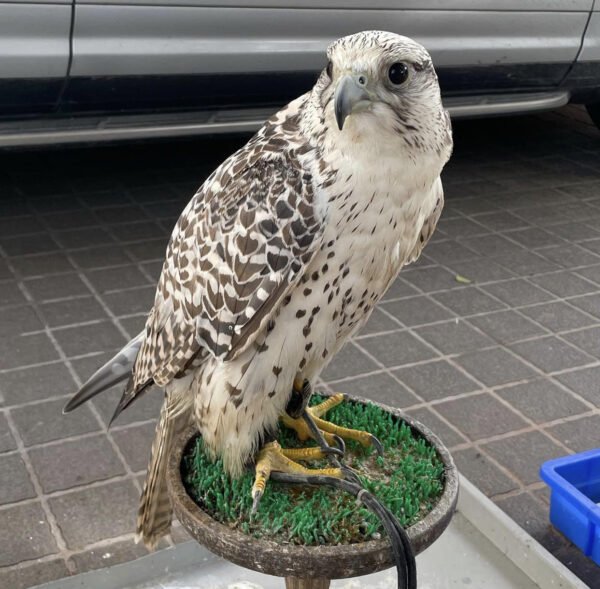
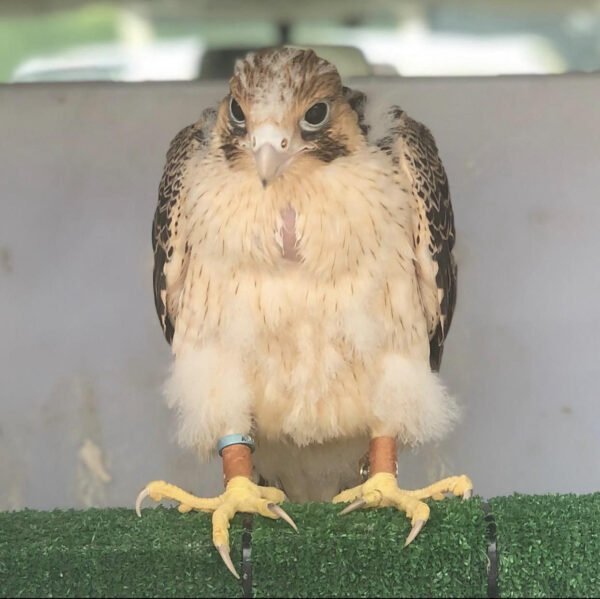
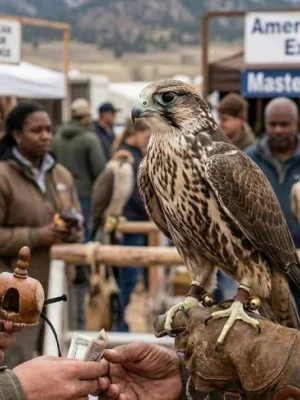
When people think of adorable falcon birds, they may imagine small, fluffy falcon chicks, expressive eyes, sleek feathers, or the fascinating personalities of these remarkable birds of prey. Falcons are known around the world for their speed, agility, sharp vision, and impressive hunting abilities.
From the famous Peregrine Falcon to smaller species such as the American Kestrel, falcons come in many shapes and sizes. Although they are powerful predators, their young can be surprisingly cute and captivating.
This guide explores the world of adorable falcon birds, including their appearance, behavior, habitat, diet, fascinating facts, and the importance of protecting them in the wild.
Falcons are birds of prey belonging primarily to the genus Falco and the family Falconidae. They are found across much of the world and occupy a wide range of habitats.
Falcons are especially recognized for their:
Their streamlined shape helps them maneuver quickly through the air while pursuing prey.
Although falcons are predators, many people find them adorable because of their distinctive appearance and behavior.
Falcon chicks are particularly appealing because they have soft down feathers, large eyes, and curious behavior. Young birds gradually develop the sleek feathers and powerful features characteristic of adults.
Adult falcons can also appear surprisingly expressive. Their alert eyes, head movements, vocalizations, and interactions with their surroundings make them fascinating birds to observe.
Falcon chicks look very different from mature birds.
Young falcons are often covered in soft down and spend much of their early life in the nest. As they grow, they develop stronger wings, feathers, and hunting abilities.
Parents provide food and protection while chicks develop the skills required for independent survival.
Observing young falcons from a safe distance can be an unforgettable wildlife experience.
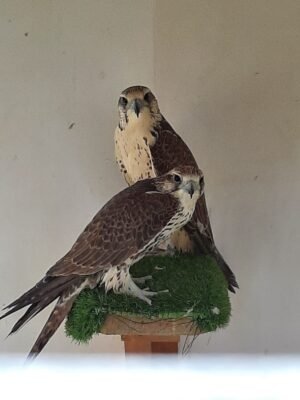
The Peregrine Falcon is one of the world’s most famous falcons. It is recognized for its streamlined body, dark head, barred underparts, and extraordinary diving speed.
Peregrine Falcons occur across a remarkably broad geographic range and can live in habitats ranging from mountains and coastlines to urban environments.
The American Kestrel is one of the smallest and most colorful falcons in North America.
Its striking combination of blue-gray, rust, white, and black markings gives it a particularly attractive appearance. It is often seen hovering while searching for prey.
The Merlin is a small, compact falcon known for fast, agile flight.
It can be found across parts of North America, Europe, and Asia, depending on the population and subspecies.
The Gyrfalcon is the largest falcon species. It inhabits northern regions and is adapted to cold environments.
Its plumage can vary from white to gray or darker forms, depending on geographic population.
The Lanner Falcon is a medium-to-large falcon associated with parts of Africa, Europe, and Asia.
It is admired for its powerful flight, attractive markings, and adaptability to different environments.
Falcons occupy a wide variety of habitats.
Depending on the species, they may live in:
Their adaptability has allowed several falcon species to coexist successfully with people.
Falcons are primarily carnivorous birds of prey.
Their diet varies by species and habitat but can include:
Some falcons specialize in catching birds in flight, while smaller species may consume substantial numbers of insects.
Their sharp vision allows them to identify potential prey from considerable distances.
Falcons are famous for their speed.
The Peregrine Falcon is particularly renowned for its high-speed hunting dives, known as stoops. During these dives, a Peregrine can reach extraordinary speeds.
Its aerodynamic body, pointed wings, powerful muscles, and specialized respiratory system all contribute to its exceptional aerial performance.
Falcons are intelligent and highly adapted predators.
Their behavior can include:
Different species use different hunting techniques depending on their environment and prey.
One of the most impressive characteristics of falcons is their eyesight.
Their vision is highly adapted for detecting movement and identifying prey. This gives them a significant advantage when hunting from the air or from elevated perches.
Their eyes are also adapted to the demands of high-speed flight.
Falcons generally form breeding territories and select nesting locations appropriate to their species.
Some use cliffs, while others nest in trees, cavities, buildings, or other elevated locations.
Peregrine Falcons are particularly well known for nesting on cliffs and tall structures, including buildings and bridges in some urban areas.
Falcon chicks depend on their parents for food and protection until they become capable of flying and hunting independently.
Falcons are wild birds of prey, not conventional household pets.
They have specialized dietary, environmental, behavioral, and veterinary needs. In many places, keeping or handling native birds of prey is also regulated by wildlife laws.
Falconry is a specialized tradition involving trained birds of prey and requires appropriate knowledge, facilities, permits, and legal compliance.
For most people, the best way to appreciate adorable falcon birds is through responsible wildlife observation, conservation programs, or reputable educational facilities.
Many falcon species benefit from conservation efforts that protect habitat, nesting sites, and prey populations.
Historically, some falcon populations experienced serious declines because of habitat changes, persecution, and environmental contaminants. Conservation programs have helped some species recover significantly.
Protecting falcons means protecting the ecosystems they depend upon.
Important conservation actions include:
Reviews
There are no reviews yet.