
Beautiful Plants For Your Interior
$150.00
Jaggers Gaffs
Jaggers Gaffs history
Jaggers Gaffs meaning
Jaggers Gaffs
identification what are Jaggers Gaffs
history of Jaggers Gaffs
how to identify Jaggers Gaffs Dukes Gaffs
regulation gaffs
hooks gaffs
bayonet gaffs
gamefowl history
gamefowl artifacts
artificial spur history
traditional metalworking
antique agricultural collectibles
gamefowl equipment history
vintage Jaggers Gaffs
antique Jaggers Gaffs
Jaggers Gaffs collector guide
Jaggers Gaffs terminology
traditional gamefowl artifacts
historical gamefowl equipment
Jaggers Gaffs provenance
authentic Jaggers Gaffs
vintage gamefowl collectibles
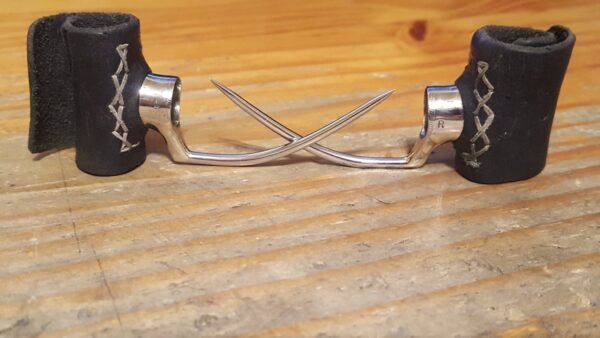
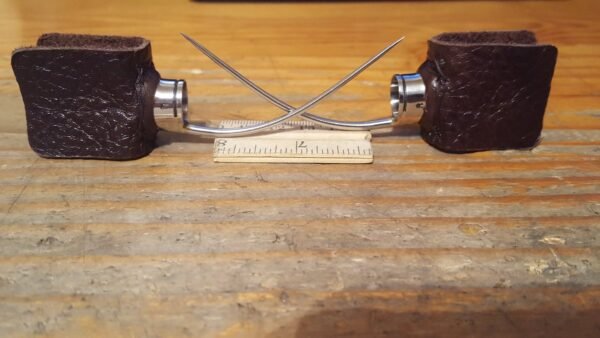
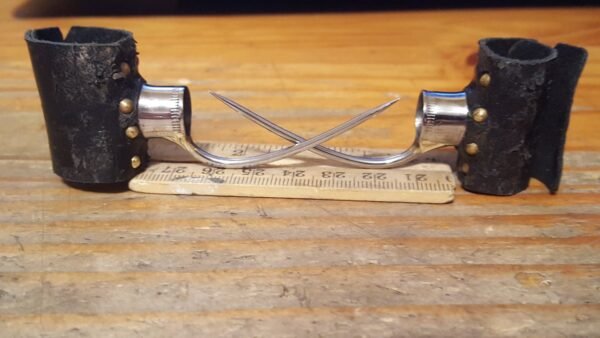
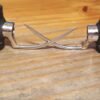
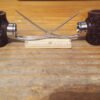
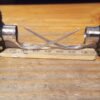
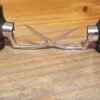
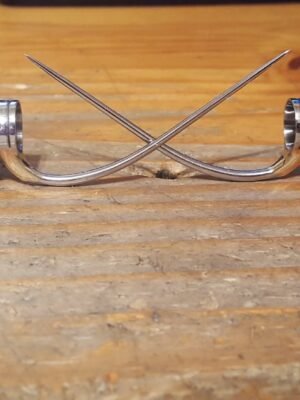
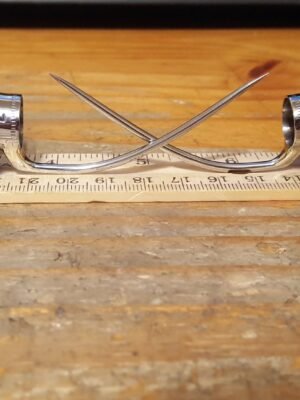
Jaggers gaffs are a term associated with traditional gamefowl culture and the historical equipment used in cockfighting. The word “gaff” generally refers to an artificial spur, while “Jaggers” is used in some historical and regional contexts to identify a particular style or type.
Because terminology was not universally standardized, descriptions of Jaggers gaffs can differ between historical sources, regions, and makers.
Jaggers gaffs belong to the broader category of traditional artificial spurs associated with gamefowl history. Historical references may discuss them alongside other terms such as Dukes, regulation gaffs, hooks, and bayonets.
For researchers and collectors, understanding these terms can provide useful context when studying old catalogs, photographs, books, and gamefowl memorabilia.
The history of Jaggers gaffs is connected with traditional gamefowl communities and the craftsmanship used to produce specialized metal equipment. Different makers and regions developed distinctive terminology and styles over time.
Today, historical examples may be studied as part of agricultural history, traditional metalworking, and the material culture of gamefowl communities.
Collectors researching vintage Jaggers gaffs may consider factors such as provenance, age, maker, condition, originality, and historical documentation. Evidence from old publications, catalogs, photographs, and collection records can be particularly useful when evaluating an artifact.
Claims that an item is rare, antique, or associated with a particular maker should ideally be supported by reliable documentation.
The terminology surrounding traditional gamefowl equipment can be confusing because names were sometimes used differently from one community or period to another. Consequently, “Jaggers gaffs” should be interpreted according to the historical source in which the term appears.
Laws concerning cockfighting and equipment associated with animal fighting vary by jurisdiction. Anyone researching, collecting, possessing, importing, or displaying historical artifacts should check the applicable local laws before acquiring an item.
Jaggers gaffs are best understood within the history, terminology, and craftsmanship of traditional gamefowl culture. For collectors and researchers, provenance, authenticity, condition, and historical context are useful factors when studying these artifacts.
If you are researching Jaggers gaffs as historical artifacts, there are several ways to learn about their origins, terminology, and place within traditional gamefowl culture. Because terminology and legal restrictions can vary by location, collectors should research an item’s history and applicable laws before acquiring or possessing it.
Start by learning how the term Jaggers gaffs was used in historical sources. Older books, catalogs, photographs, and documented collections can provide useful information about terminology and craftsmanship.
Jaggers may also appear in historical discussions alongside terms such as Dukes, regulation gaffs, hooks, and bayonets.
Historical agricultural collections, libraries, museums, antique-reference publications, and specialist collectors can be useful sources of information. Auction archives and old catalogs may also help researchers identify examples and establish approximate dates.
When examining an item described as a vintage Jaggers gaff, look for documentation supporting its age, origin, and provenance.
Important factors include:
Avoid relying solely on an online description or an unsupported claim that an item is antique or rare.
Before acquiring a historical artifact, check the laws governing possession, transportation, importation, and display in your jurisdiction. Regulations concerning equipment historically associated with animal fighting can vary significantly.
Historical Jaggers gaffs can be relevant to research into gamefowl history, traditional craftsmanship, agricultural communities, and antique collecting. Studying these objects in their historical context can provide insight into the terminology and material culture of earlier periods.
Finding reliable information about Jaggers gaffs begins with historical research, provenance, and authentication. Libraries, museums, historical archives, auction records, and documented collections can all help researchers understand these artifacts while ensuring that any acquisition complies with applicable laws.
Reviews
There are no reviews yet.