
Beautiful Plants For Your Interior
$140.00
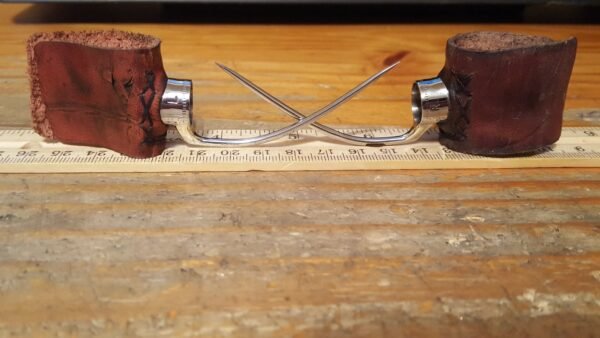
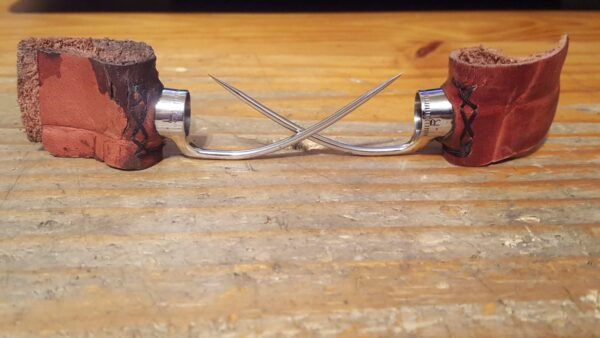
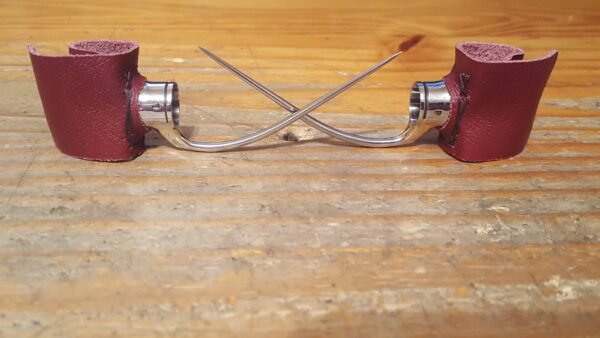
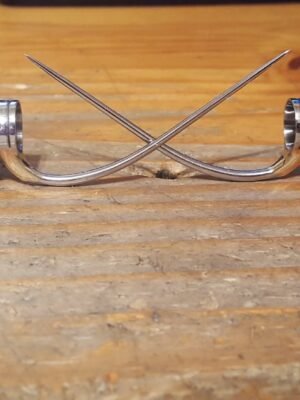
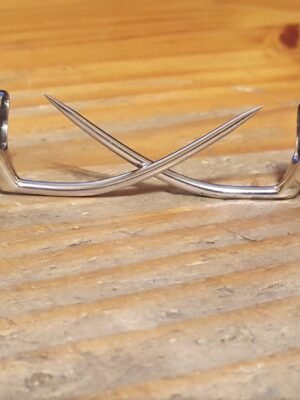
Regulation gaffs are artificial spurs historically associated with traditional gamefowl culture and cockfighting. The term “regulation” generally refers to equipment made or described according to particular rules, traditions, or standards used by a specific organization or region.
Because terminology and rules have changed over time, the meaning of “regulation gaff” can vary considerably between historical periods and locations.
Regulation gaffs form part of the broader history of gamefowl equipment and craftsmanship. Different communities developed their own terminology and traditions, while specialized metalworkers produced various forms of artificial spurs.
Historical examples can be of interest to collectors researching agricultural history, traditional craftsmanship, and the material culture surrounding gamefowl.
Collectors interested in historical gamefowl artifacts may research regulation gaffs based on their age, maker, provenance, craftsmanship, and documented history. Vintage examples can provide insight into the tools and traditions associated with particular communities.
When researching or collecting these artifacts, it is important to distinguish historical documentation from modern claims about specifications or authenticity.
Regulation gaffs are often discussed alongside terms such as Dukes, hooks, jaggers, and bayonets. These terms may describe different traditional styles or categories, but their meanings are not universally standardized.
Understanding the historical context behind these terms can make it easier to interpret older books, catalogs, photographs, and collections.
Laws concerning cockfighting and equipment associated with animal fighting differ between countries, states, and local jurisdictions. Before purchasing, possessing, transporting, or displaying any historical item associated with this subject, check the laws applicable to your location.
Regulation gaffs are part of the historical terminology and material culture of traditional gamefowl communities. Today, they can be studied from perspectives including history, collecting, craftsmanship, and cultural heritage, with attention to applicable laws and responsible handling.
If you are researching regulation gaffs as historical artifacts, understanding their terminology, provenance, condition, and legal status can help you make a more informed collecting decision. Regulation gaffs are traditionally associated with gamefowl culture, and descriptions can differ considerably between regions and historical periods.
Before acquiring a historical example, learn about the terminology used in older gamefowl literature and collections. Terms such as regulation gaffs, Dukes, hooks, jaggers, and bayonets may have different meanings depending on the source.
Researching the historical context can help distinguish documented artifacts from modern items inaccurately described as vintage or traditional.
When evaluating a collectible, look for information about its origin, approximate age, maker, previous ownership, and documentation. Photographs, old catalogs, publications, receipts, or collection records can sometimes help establish provenance.
Be cautious about claims of rarity or historical significance that cannot be supported by documentation.
For collectible purposes, condition is an important consideration. Look for signs of age, corrosion, repairs, modifications, or replacement components. Originality can be particularly important when an artifact is being presented as an older example.
Regulations concerning cockfighting and equipment historically associated with animal fighting vary by jurisdiction. Before acquiring, possessing, transporting, or importing an item, verify the applicable laws where you live.
Collectors may be interested in regulation gaffs because of their connection to traditional craftsmanship, agricultural communities, and gamefowl history. Focusing on historical documentation and craftsmanship can provide a more meaningful basis for evaluating an artifact than claims about performance.
Regulation gaffs are artificial spurs historically associated with gamefowl culture. The exact meaning of “regulation” depends on the historical or regional context.
Historical examples may be of interest to collectors studying gamefowl history, traditional craftsmanship, and agricultural material culture.
Research its provenance, age, maker, condition, authenticity, historical documentation, and the laws applicable to possession in your jurisdiction.
Researching regulation gaffs can be an interesting way to explore the history and craftsmanship surrounding traditional gamefowl culture. When considering a historical example, prioritize authenticity, provenance, condition, documentation, and legal compliance.
Reviews
There are no reviews yet.