Beautiful Plants For Your Interior
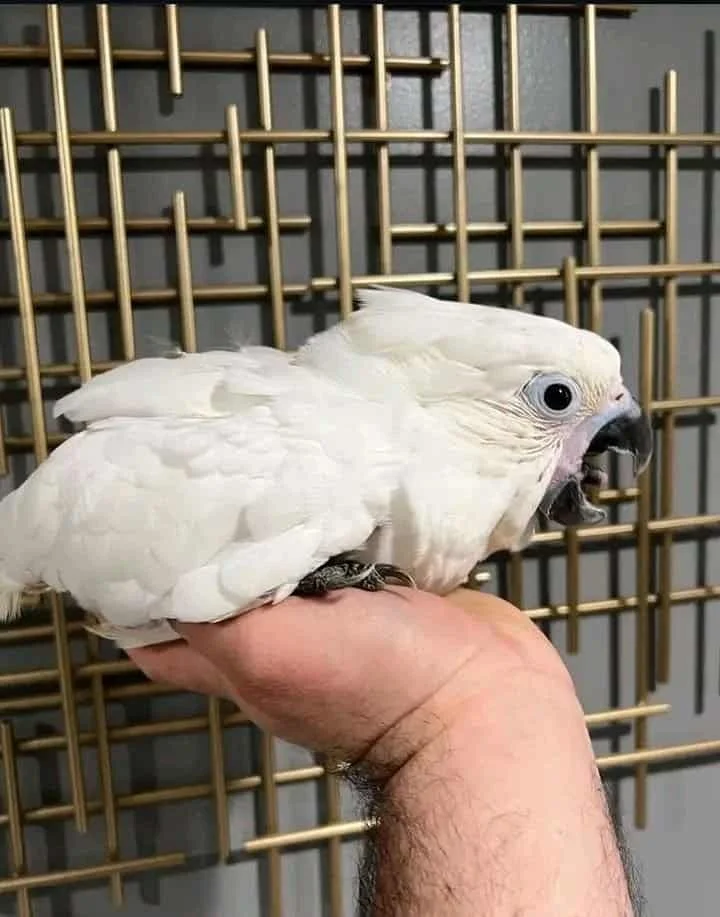
Cockatoos are among the most emotionally expressive, intelligent and socially demanding parrots available to experienced bird owners. Their striking crests, affectionate personalities and strong bonds with their caregivers make them fascinating companion birds.
However, the same qualities that make Cockatoos so appealing can also make them challenging to keep.
They require substantial daily interaction, mental stimulation, exercise, enrichment, appropriate nutrition and long-term planning. Some species can live for several decades, making a cockatoo a commitment that can extend through much of an owner’s life.
This complete Cockatoo buying guide covers popular species, temperament, housing, diet, exercise, noise, lifespan, CITES considerations and the realities of cockatoo ownership.
| Feature | Cockatoo |
|---|---|
| Family | Cacatuidae |
| Species | Multiple species and subspecies |
| Temperament | Social, affectionate, intelligent and expressive |
| Intelligence | Very high |
| Talking ability | Moderate; varies by individual |
| Noise level | Very loud |
| Lifespan | Often 40–60+ years depending on species |
| Social needs | Very high |
| Exercise | Daily supervised activity |
| Enrichment | Essential |
| Diet | Formulated pellets, vegetables, appropriate fruit and supplementary foods |
| Commitment | Several decades |
Size, temperament, lifespan and care requirements vary between individual cockatoo species.
The Cockatoo belongs to the family Cacatuidae and is recognised by its distinctive crest, powerful beak and highly expressive body language.
Cockatoos are known for:
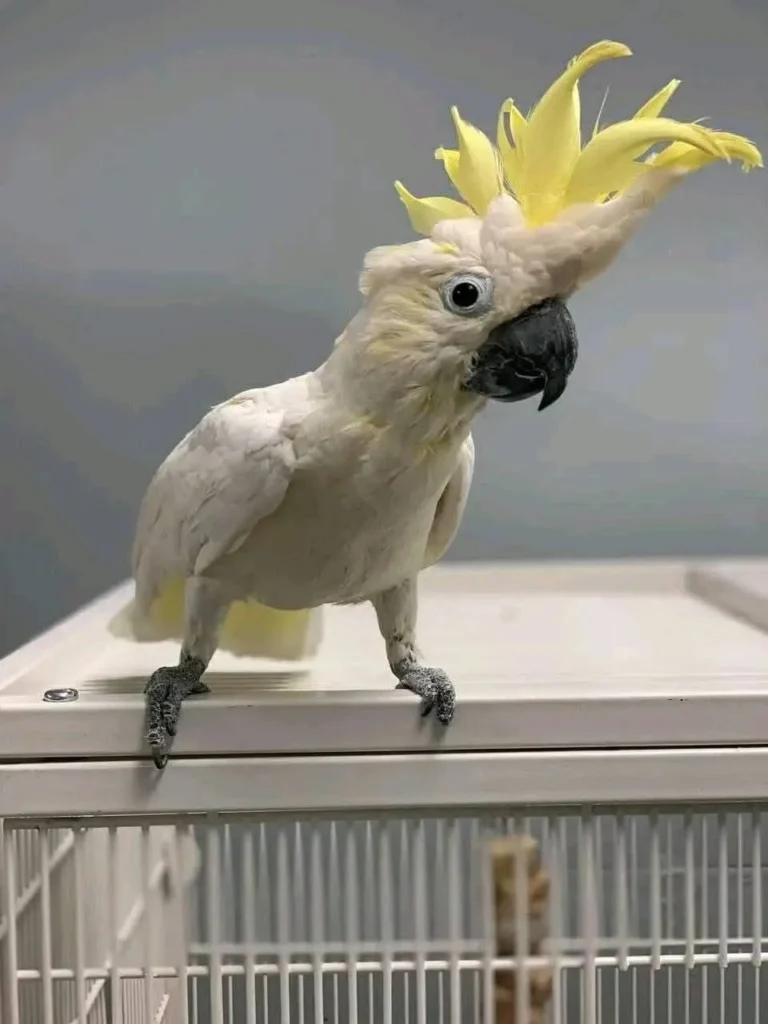
Their crest is one of their most recognisable characteristics and can communicate excitement, fear, curiosity or agitation depending on the situation.
Different cockatoo species can have significantly different sizes, personalities and care requirements.
Three species frequently encountered in aviculture include the Moluccan Cockatoo, Umbrella Cockatoo and Goffin’s Cockatoo.
The Moluccan, or Salmon-Crested, Cockatoo (Cacatua moluccensis) is one of the largest and most imposing cockatoos.
It is famous for its:
Moluccan Cockatoos can form extremely strong bonds with their caregivers.
That affectionate nature can also become demanding when the bird does not receive enough attention and enrichment.
The Umbrella Cockatoo (Cacatua alba) is recognisable by its large white crest, which opens into a distinctive umbrella-like shape.
They are generally:
Umbrella Cockatoos can become deeply attached to their caregivers and require substantial daily interaction.
Their size and noise level mean they are best suited to households prepared for the realities of large-parrot ownership.
The Goffin’s Cockatoo (Cacatua goffiniana) is considerably smaller than the Moluccan and Umbrella Cockatoo.
Its smaller size does not mean it has small personality requirements.
Goffin’s Cockatoos are known for:
Their intelligence makes enrichment particularly important.
Cockatoos are highly social birds and can develop very strong relationships with their caregivers.
A well-socialised cockatoo may be:
However, individual temperament varies.
A cockatoo that is affectionate with its owner may not necessarily enjoy being handled by everyone.
Learning to understand body language is an important part of responsible ownership.
One of the biggest considerations when buying a Cockatoo is its need for social interaction.
Cockatoos can become distressed when they are consistently isolated or understimulated.
Potential signs of insufficient stimulation can include:
These behaviours can have multiple causes, including medical problems, environmental factors and stress.
A sudden behavioural change should be discussed with an avian veterinarian.
Housing needs to accommodate both the bird’s size and its activity level.
A cage around 90 × 60 × 120 cm may be considered a starting point for some cockatoos, but larger housing is strongly preferable whenever possible.
The cage should provide enough room for:
Larger species require substantially more space.
A dedicated bird room or large flight enclosure may be appropriate for some households.
Cockatoos should not spend their entire lives inside a cage.
Daily supervised out-of-cage activity is important for physical exercise and mental stimulation.
Many owners aim for several hours of supervised activity every day.
Exercise can include:
The environment should be bird-proofed before allowing free flight.
Enrichment is particularly important for cockatoos because of their intelligence and strong natural chewing behaviour.
Useful enrichment can include:
Encourage the bird to search for food.
Provide safe materials that can be destroyed and replaced.
Encourage problem-solving and exploration.
Give the bird smaller objects to manipulate.
Short positive-reinforcement sessions provide both mental stimulation and social interaction.
Rotate toys regularly so the environment does not become predictable.
A powerful beak is one of the defining characteristics of a cockatoo.
Owners should expect chewing.
Cockatoos may attempt to chew:
This behaviour should not simply be punished.
Instead, provide appropriate chewable materials and make the bird’s environment as safe as possible.
A balanced diet is fundamental to good cockatoo care.
A suitable diet can include:
The exact nutritional requirements can vary by species, age, activity level and health.
An avian veterinarian can help establish an appropriate diet for an individual bird.
Certain foods and substances can be dangerous to parrots.
Avoid giving cockatoos:
When in doubt, verify whether a food is safe for parrots before offering it.
Noise is one of the most important factors to consider before purchasing a Cockatoo.
Cockatoos are capable of extremely loud vocalisations.
They may call when:
Some individuals are substantially louder than others.
Potential owners should carefully consider neighbours, housing arrangements and noise tolerance before bringing a cockatoo home.
Yes, some cockatoos can learn words and phrases.
However, talking is not generally their defining characteristic.
Compared with African Greys and some Amazon parrots, many cockatoos are better known for their body language, vocalisations and expressive crests than for developing extremely large vocabularies.
Individual ability varies considerably.
A cockatoo should never be purchased simply because an owner expects it to become a talking bird.
Owning a can be a decades-long commitment.
Many cockatoo species can live approximately 40–60 years, while some individuals may live considerably longer under appropriate conditions.
Potential owners should plan for the bird’s entire life.
Consider:
A cockatoo can potentially outlive its original owner, so long-term planning is important.
Training helps establish communication and trust between a cockatoo and its caregiver.
Useful behaviours include:
Positive reinforcement is generally the preferred approach.
Short and consistent sessions can make training both productive and enjoyable.
Hormonal behaviour can become particularly noticeable in mature cockatoos.
A bird may become:
Owners should learn to recognise these behavioural changes and avoid encouraging reproductive behaviours.
Excessive physical contact, inappropriate nesting opportunities and other reproductive triggers can sometimes contribute to hormonal behaviour.
If behavioural changes are severe, an avian veterinarian can help determine whether medical or environmental factors are involved.
Feather-destructive behaviour can occur in cockatoos.
Possible contributing factors can include:
Feather-plucking should not automatically be treated as a simple behavioural problem.
A veterinarian should first investigate possible medical causes.
Environmental enrichment and appropriate social interaction may also form part of a broader management plan.
Regular veterinary care is an important part of responsible ownership.
Ideally, owners should establish a relationship with an experienced avian veterinarian.
Regular examinations can help monitor:
Owners should also watch for sudden changes in:
Birds can sometimes hide signs of illness, so changes should be taken seriously.
The legal status of a cockatoo depends on the particular species and the countries involved.
Some cockatoo species are listed under CITES Appendix I, while others are subject to Appendix II controls.
CITES requirements can apply to:
Requirements vary depending on the species, origin and destination.
Before purchasing or transporting a Cockatoo internationally, verify the current CITES and wildlife requirements applicable to that specific bird.
Cockatoos can be challenging even for experienced parrot keepers.
Their combination of intelligence, emotional sensitivity, noise, powerful beaks and social requirements means prospective owners need to be well prepared.
A first-time owner should thoroughly research:
The smaller size of some cockatoo species does not necessarily mean their care requirements are simple.
Long periods of isolation can be difficult for highly social Cockatoos.
Owners who work full-time should consider how the bird will receive:
A carefully planned routine can make a difference, but prospective owners should realistically assess whether their lifestyle can accommodate the bird’s social requirements.
Cockatoos differ from other popular companion parrots in several important ways.
| Feature | Cockatoos | Amazon Parrots | African Greys | Large Macaws |
|---|---|---|---|---|
| Intelligence | Very high | Very high | Very high | Very high |
| Social needs | Very high | High | High | High |
| Noise | Very loud | Loud | Moderate–loud | Very loud |
| Talking ability | Moderate | Excellent | Excellent | Moderate–good |
| Chewing | Very high | High | Moderate–high | Very high |
| Lifespan | Several decades | Several decades | Several decades | Several decades |
| Emotional expression | Very high | High | High | High |
These are broad species-group characteristics. Individual birds can differ substantially.
Cockatoos can be extraordinary companion birds for owners who can meet their social, physical and mental needs.
Yes. Cockatoos are capable of extremely loud calls and should not be considered quiet companion birds.
Some do. Individual talking ability varies, and cockatoos are generally better known for their body language, vocalisations and expressive behaviour.
Many species can live approximately 40–60 years, while some individuals may live longer with excellent care.
There is no universally suitable cockatoo for beginners. Species differ in size and temperament, but all require substantial commitment and specialised care.
They can tolerate periods of independence, but prolonged isolation can create problems for highly social birds. Owners need a realistic plan for daily interaction and enrichment.
A balanced diet can include high-quality formulated pellets, vegetables, appropriate fruit and controlled amounts of seeds and nuts.
Yes. Social interaction is an important part of cockatoo care, alongside exercise and mental enrichment.
Before purchasing a Cockatoo, ask for information about:
A responsible buyer should understand exactly what bird they are purchasing and what care it will require throughout its life.
If you are researching a cockatoo as a companion bird, you can explore the Cockatoos available from ExoticsBirds and review the birds and products currently available.
Explore our products:
ExoticsBirds Products
Availability and documentation can vary by species and individual bird, so always review the specific information provided before purchasing.
The Cockatoo is an extraordinary companion bird with a combination of intelligence, affection, personality and emotional expressiveness that makes the species fascinating to experienced parrot owners.
But these same characteristics create significant responsibilities.
A cockatoo needs more than a large cage and food. It needs daily social interaction, exercise, mental stimulation, safe chewing opportunities, appropriate nutrition and regular veterinary care.
Before buying, consider the bird’s noise level, social requirements, potential lifespan, housing needs and long-term financial commitment.
With responsible preparation and appropriate care, a Cockatoo can become a remarkable long-term companion.