Beautiful Plants For Your Interior
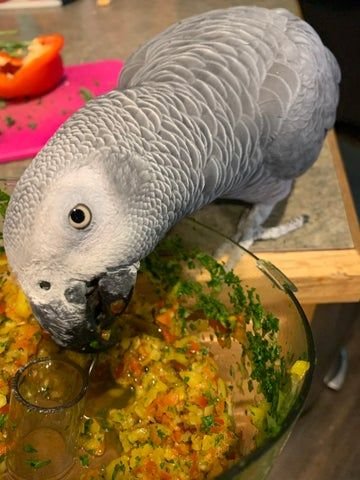
Bringing home a new parrot is an exciting experience, but one of the most important things you can do during the first few weeks is establish a healthy, balanced diet.
Feeding Your New Parrot is about much more than simply filling a food bowl. Parrots need a varied diet containing appropriate pellets or other formulated foods, fresh vegetables, limited fruit, healthy treats, clean water, and species-appropriate nutrition.
The right diet can vary considerably depending on whether you have an African Grey, Macaw, Amazon, Cockatoo, Eclectus, Caique, Conure, or another species. Always discuss major dietary changes and supplementation with an avian veterinarian.
When introducing a diet to your new bird, keep these basic principles in mind:
If your parrot regularly drops soft food onto cage bars or wipes its beak on them, clean those areas frequently. Food residue can create an ideal environment for bacterial growth.
Your parrot should have access to fresh, clean drinking water every day.
Provide fresh water in a clean bowl each morning and check it throughout the day. If the water becomes contaminated with food, droppings, or other debris, replace it immediately and wash the bowl.
Avoid adding vitamins, fruit juice, supplements, or other substances to your bird’s drinking water unless your avian veterinarian specifically recommends doing so. These additions can encourage bacterial growth and may make it difficult to know exactly how much of a supplement your bird is consuming.
A small taste of safe fresh fruit is different from routinely adding juice to drinking water. Fruit itself should still be offered in moderation because it contains natural sugars.
Fresh vegetables should form an important part of a well-balanced parrot diet. Offering a variety of vegetables regularly provides different nutrients and textures while making meals more interesting.
Dark green and orange vegetables are particularly useful sources of nutrients such as vitamin A precursors.
Good vegetables for parrots include: