Beautiful Plants For Your Interior
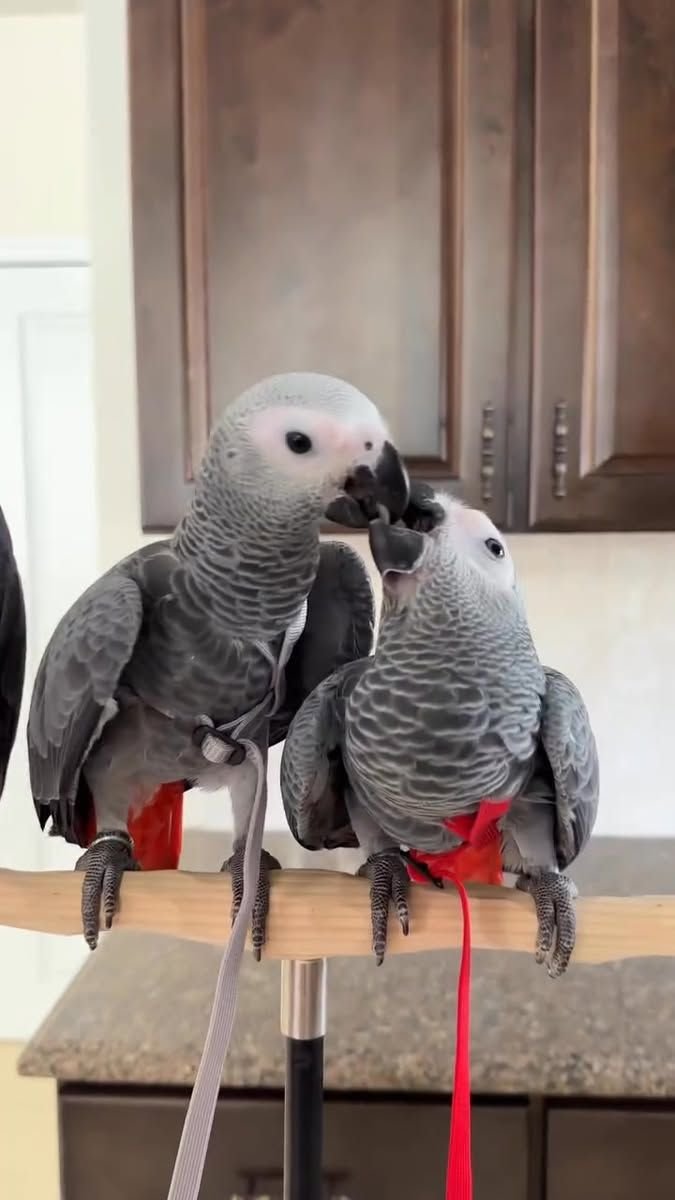
Parrots are intelligent, beautiful, social, and fascinating companion birds. They can form incredibly strong bonds with their owners and, with proper care, become part of a family for many years.
But owning a parrot is also a serious commitment.
Before you search for a bird to bring home, take some time to consider whether a parrot is right for you, your lifestyle, your family, your home, and your budget.
Parrots are not simply colorful pets that sit in a cage. They need daily interaction, mental stimulation, appropriate nutrition, veterinary care, safe housing, toys, exercise, and plenty of attention.
This guide will help you decide whether you’re genuinely prepared for life with a companion parrot.
Start with the most important question:
Why do you want a parrot?
Is it because you love birds? Are you fascinated by their intelligence and personalities? Are you looking for a long-term companion?
Those can be good reasons.
However, buying a parrot simply because it can talk, looks impressive, is fashionable, or seems like an unusual pet is usually not enough.
A parrot should never be an impulse purchase.
Parrots are highly intelligent and emotionally complex animals. Depending on the species and individual bird, they may live for decades, and some large parrots can potentially outlive their owners.
That means acquiring a parrot can represent a long-term commitment.
Parrots can be:
They chew things, scatter food, destroy toys, make noise, and may sometimes behave in ways that surprise a new owner.
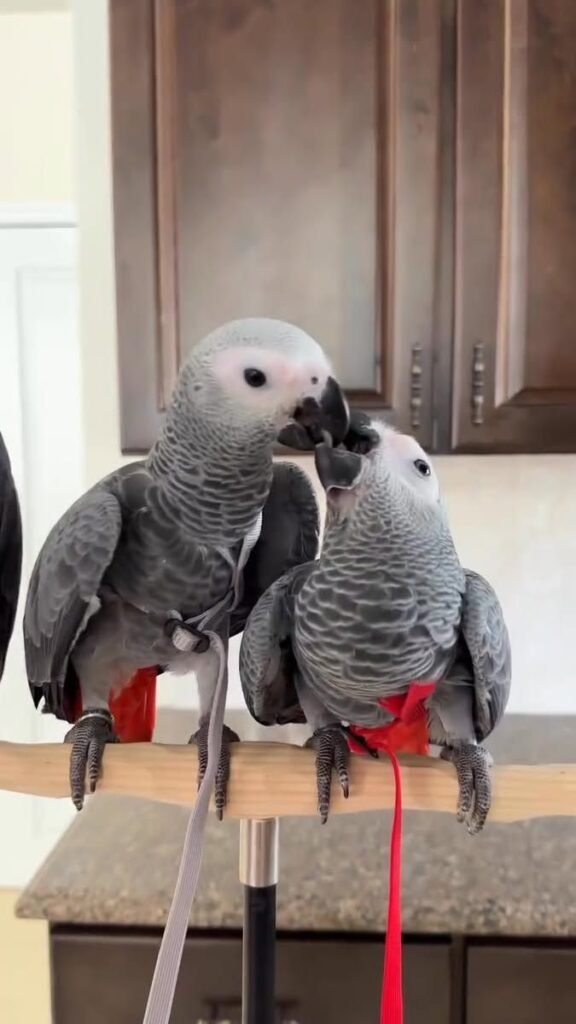
Some parrots learn an impressive vocabulary. Others never learn to speak clearly. Some enjoy singing or imitating household sounds, while others are quieter.
Your bird may even learn to imitate the telephone, an alarm, another pet, or a favorite sound from your home.
The important thing is to choose a parrot for the whole animal, not for one particular characteristic.
For the right owner, parrots can be extraordinary companions.
They can be:
Many parrots enjoy learning tricks, solving puzzles, interacting with their owners, exploring toys, and participating in family activities.
If you’re looking for an intelligent, engaging, long-term companion and are prepared for the responsibility, a parrot could be an excellent choice.
Your daily routine is one of the biggest factors in determining whether you should get a parrot.
Ask yourself:
Parrots are social flock animals. They generally need regular interaction, attention, mental stimulation, and opportunities to exercise.
Simply leaving a bird inside a cage with food and water while you go to work every day may not provide the quality of life the bird needs.
Your parrot should have opportunities to:
The exact amount of interaction varies by species and individual personality, but prospective owners should be prepared to dedicate meaningful time to their bird every day.
This is another important consideration.
You cannot simply leave extra food and water in a parrot’s cage and disappear for several days.
If you travel, you need a reliable plan for your bird.
Depending on the circumstances, this could mean:
Your caretaker should understand parrot safety, feeding, cleaning, and emergency procedures.
If you already have pets, think carefully about how they will coexist with a new parrot.
Dogs, cats, ferrets, and other animals can potentially injure or kill birds because of their natural hunting or chasing instincts.
Even an apparently gentle dog or cat can react unpredictably to a fast-moving bird.
Interactions between a parrot and another animal should be carefully managed and supervised.
For maximum safety:
A bird can also be injured by another bird.
Larger parrots can seriously injure smaller parrots, even during what initially appears to be harmless interaction.
For this reason, different birds often need separate cages and separate play areas.
Even parrots of the same species may not always get along. Individual personalities matter, and some birds may become territorial or aggressive toward another bird.
Parrots are not domesticated in the same way dogs and cats are.
Although companion parrots can become extremely tame and comfortable around people, they retain many of their natural instincts.
Every bird has its own personality.
One parrot may love meeting visitors while another may become nervous around strangers. One bird may enjoy being handled while another prefers to interact without being touched.
Families with children need to think carefully about bird safety.
Young children can move quickly, make sudden noises, or unintentionally grab or frighten a bird.
A frightened parrot may bite as a defensive response.
At the same time, a child can be injured by a parrot’s beak or claws.
Therefore, children and parrots should always be supervised during interactions, particularly with larger species.
Children should be taught:
A parrot should have a quiet, secure place where it can retreat when it wants to rest.
Before bringing a parrot home, decide where its cage and play areas will be located.
The cage should be large enough for the species and individual bird. Larger parrots may require exceptionally large housing.
A good cage location should provide the bird with a sense of security while still allowing it to participate in family life.
Placing the cage against a wall can provide a secure surface behind the bird.
Avoid locations that expose the bird to:
The kitchen is generally a poor location for a parrot because cooking fumes and overheated non-stick cookware can present serious respiratory dangers to birds.
The cage should also be positioned where the family spends time so the bird does not become socially isolated.
A cage is only part of your bird’s living environment.
Parrots benefit from safe opportunities to exercise, climb, chew, explore, and interact with their surroundings.
Consider providing:
Having a separate play area can encourage your bird to exercise and interact with the family without spending all of its time inside the cage.
The purchase price of a parrot is only one part of the financial commitment.
Parrots can be expensive pets because they require specialized equipment, food, veterinary care, and ongoing enrichment.
Before bringing your bird home, you may need to purchase:
Depending on the species, the cost of setting up a suitable environment can be substantial.
Your ongoing costs may include:
Toys can be destroyed surprisingly quickly, especially by large parrots with powerful beaks.
That is not necessarily a problem—it is part of normal parrot behavior. But it means replacement costs should be included in your budget.
One of the most important expenses to consider is veterinary care.
Parrots should have access to a veterinarian experienced with birds, ideally an avian veterinarian.
Routine examinations can help identify health problems early, while emergency treatment can become expensive.
Before getting a parrot, find out:
Having this information before bringing your bird home can save valuable time during an emergency.
Parrots are birds, and birds naturally make messes.
They may:
Some species are significantly louder than others.
Before choosing a species, research its typical noise level and consider your living situation.
This is especially important if you live in:
A bird that is manageable in a detached house may be much more difficult in an apartment with close neighbors.
One of the biggest differences between getting a parrot and acquiring many other pets is the potential lifespan.
Some parrots can live for decades.
That means your circumstances may change many times during the bird’s life.
You may:
Your parrot will still depend on you.
Before buying one, think about whether you are prepared to care for an animal through these changes.
For long-lived parrots, responsible owners should also consider what would happen to their bird if they become seriously ill or are unable to provide care.
Before making your decision, ask yourself:
Can I provide daily interaction, exercise, enrichment, and care?
Can I comfortably budget for food, toys, equipment, routine veterinary care, and emergencies?
Will normal parrot behavior fit comfortably into my household?
Can I provide a secure cage, safe play areas, and a bird-safe environment?
Can I keep my parrot safely separated from dogs, cats, or other potentially dangerous animals?
Does everyone in the household understand how to interact safely and respectfully with a parrot?
Do I have someone trustworthy who can care for my bird?
Can I realistically commit to caring for this animal for many years?
A parrot can be an extraordinary companion, but it is not the right pet for everyone.
If you want a beautiful, intelligent, interactive animal and are prepared to provide daily attention, proper nutrition, veterinary care, safe housing, enrichment, and long-term commitment, a parrot may be an excellent addition to your family.
If you are mainly attracted to parrots because they look impressive, talk, or seem like an easy pet, it is worth reconsidering.
The best parrot owners understand that these birds are intelligent living creatures with individual personalities, instincts, emotional needs, and complex care requirements.
Take your time. Research the species you’re considering. Prepare your home. Prepare your budget. And make sure you’re choosing a parrot because you’re ready to care for the entire animal—not simply because you like the way it looks or sounds.
Before you commit, make sure you have:
If you can confidently check these boxes, you’re much more likely to be prepared for the rewarding—and sometimes challenging—experience of living with a parrot.