Hyacinth Macaw Parrots for Sale in the UK
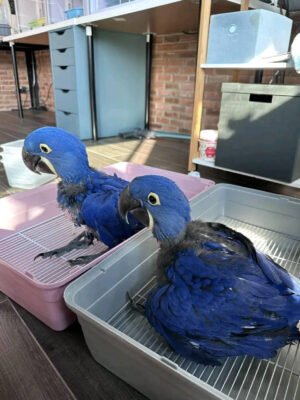
Looking for Hyacinth Macaw parrots for sale in the UK? Discover our available Hyacinth Macaws, with detailed information about age, sex, temperament, socialisation, weaning status, identification, health records and price.
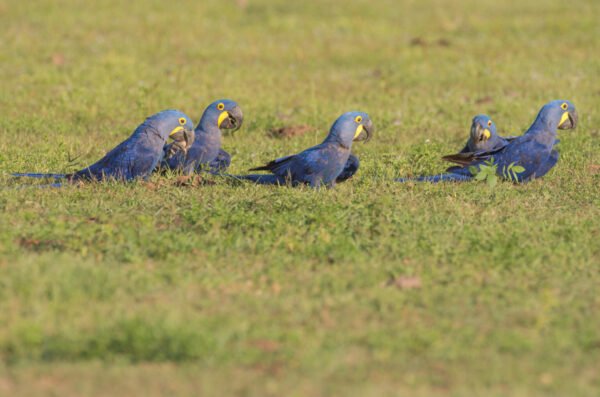
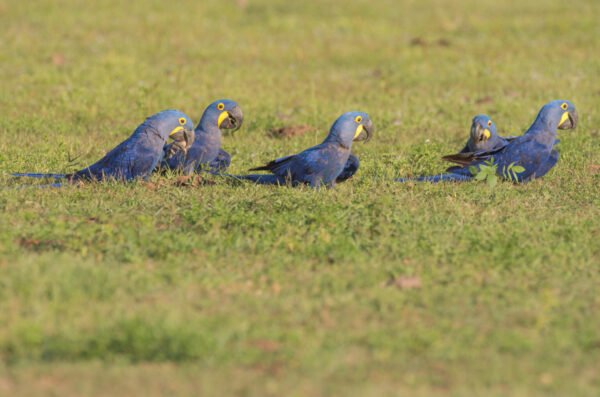
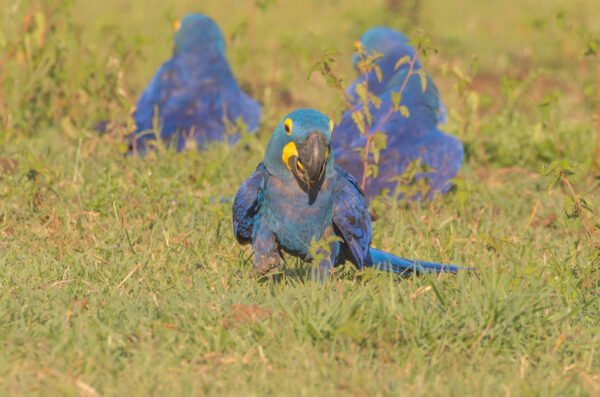
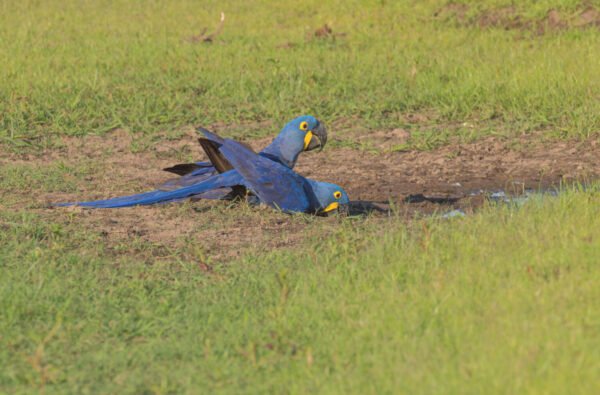
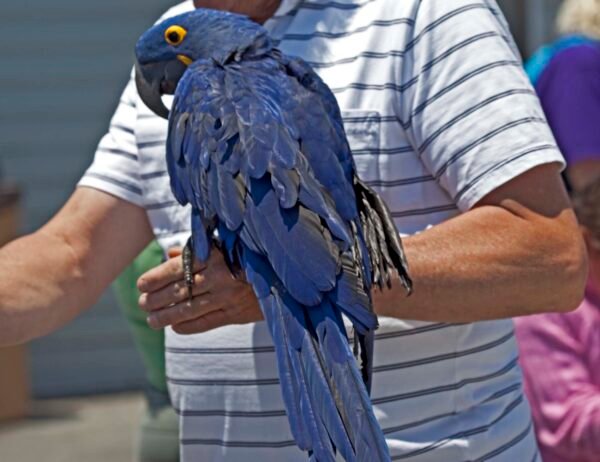
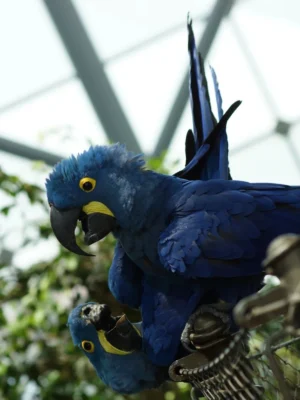
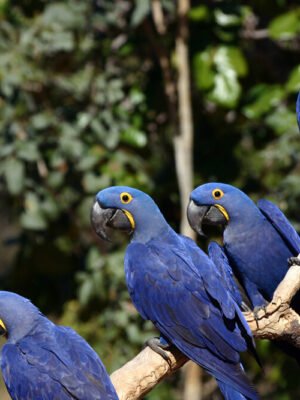
The Hyacinth Macaw (Anodorhynchus hyacinthinus) is one of the world’s most spectacular parrots. Famous for its deep cobalt-blue plumage, bright yellow facial markings and impressive size, this intelligent and social macaw can be an extraordinary companion for the right experienced owner.
Browse our current Hyacinth Macaws for sale below or contact us for current availability, viewing and collection information.
Hyacinth Macaws Available for Sale
Each available bird should have its own listing with accurate, up-to-date information.
Hyacinth Macaw — [Bird Name]
- Species: Hyacinth Macaw
- Scientific name: Anodorhynchus hyacinthinus
- Age: [Age]
- Sex: [Male/Female/Unknown]
- DNA sexed: [Yes/No]
- Weaning status: [Fully weaned/Other]
- Socialisation: [Details]
- Identification: [Ring/Microchip/Other]
- Health information: [Details]
- Price: £[Price]
- Location: [Location]
- Status: [Available/Reserved]
Contact us for current photographs, viewing arrangements and additional information.

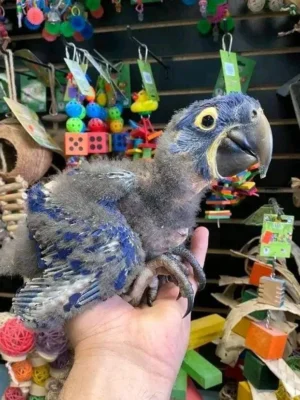
Baby Hyacinth Macaws for Sale
Searching for a baby Hyacinth Macaw for sale? Young Hyacinth Macaws require particularly careful attention to nutrition, socialisation, weaning and veterinary care.
If a young bird is advertised as available, buyers should establish:
- Exact age
- Hatch date, where documented
- Current diet
- Weaning status
- Socialisation history
- Handling experience
- Identification
- Health records
- Sex and DNA certificate, where applicable
A young macaw should not be purchased simply because it is described as a “baby.” Its welfare, development and readiness for a new home are much more important.
Hand-Reared Hyacinth Macaws
Hand-reared Hyacinth Macaws are often sought by experienced parrot owners looking for a bird accustomed to human interaction.
However, hand-reared does not automatically mean that every bird will have the same temperament.
Ask specific questions about the individual bird:
- Does it step up?
- Does it accept handling?
- How does it behave around unfamiliar people?
- Has it been socialised with men and women?
- Has it been exposed to household sounds?
- What food does it currently eat?
- How does it respond outside its enclosure?
This provides a much clearer picture than simply using the word “tame.”
Fully Weaned Hyacinth Macaws
If you’re considering a young Hyacinth Macaw, weaning status is one of the most important details to confirm.
A fully weaned bird should be independently eating an appropriate diet. Ask the seller what foods the bird currently eats and request practical feeding information before bringing it home.
Avoid making a purchase based solely on age. The individual bird’s development and welfare should come first.
Tame Hyacinth Macaws for Sale
A tame Hyacinth Macaw can be an affectionate and interactive companion, but individual personality varies.
A responsible listing should explain what “tame” actually means.
For example, does the bird:
- Step onto a hand?
- Accept gentle handling?
- Respond to its name?
- Interact with visitors?
- Come out of its cage willingly?
- Return to its enclosure when asked?
- Accept basic training?
Prospective owners should ideally meet the bird before purchasing whenever possible.
Hyacinth Macaw Price UK
The price of a Hyacinth Macaw can vary substantially depending on the bird’s age, provenance, socialisation, training, documentation and other factors.

The purchase price is only one part of the financial commitment.
You should also budget for:
- A very large, secure enclosure
- High-quality food
- Strong perches
- Toys and enrichment
- Veterinary care
- Travel equipment
- Replacement equipment
- Emergency veterinary expenses
Why Choose a Hyacinth Macaw?
The Hyacinth Macaw is an extraordinary species with a combination of beauty, intelligence and personality that makes it highly sought after by experienced parrot keepers.
Striking Blue Plumage
Its intense blue feathers and contrasting yellow facial markings give the Hyacinth Macaw an unmistakable appearance.
Intelligent and Interactive
Hyacinth Macaws are intelligent birds that benefit from training, enrichment and regular interaction.
Strong Social Bonds
With appropriate socialisation, individual birds can develop strong relationships with their caregivers.
Impressive Personality
Their size may look intimidating, but well-socialised individuals can be gentle and engaging companions. They nevertheless require an experienced owner who understands large parrots.
Are Hyacinth Macaws Good Pets?
A Hyacinth Macaw can be an exceptional companion for the right experienced owner.
It is important to understand that this is not a beginner’s bird.
Before purchasing one, consider whether you can provide:
- Extensive living space
- Daily interaction
- Regular mental stimulation
- Safe exercise
- Appropriate nutrition
- Specialist veterinary care
- Consistent training
- Strong, secure housing
- A quiet and safe environment
- A long-term commitment
UK listings themselves frequently emphasise the need for an experienced home and substantial housing for this species.
Hyacinth Macaw Size
The Hyacinth Macaw is renowned for its impressive size and powerful bill.
Its size has important implications for ownership. A standard small or medium parrot cage is not appropriate.
Your housing must be designed specifically around the needs of a very large macaw, including its ability to move, climb, exercise and interact with enrichment safely.
Hyacinth Macaw Cage Requirements
A Hyacinth Macaw needs a very large, strong and secure enclosure.
When selecting housing, consider:
- Overall enclosure dimensions
- Bar strength and construction
- Appropriate bar spacing
- Secure locks
- Strong perches
- Food and water stations
- Toy and enrichment space
- Ease of cleaning
- Safe access for the owner
Because Hyacinth Macaws have exceptionally powerful bills, housing must be robust enough to withstand normal chewing and climbing behaviour.
A large enclosure should also be supplemented with appropriate supervised exercise and interaction outside the cage.
What Do Hyacinth Macaws Eat?
Hyacinth Macaws require an appropriate diet designed for their species and individual needs.
Depending on veterinary advice, their diet can include:
- High-quality formulated parrot food
- Appropriate nuts
- Fresh vegetables
- Suitable fruits
- Other nutritionally appropriate foods
- Fresh drinking water
If you are purchasing a bird, ask the seller for its current diet and feeding routine so you can avoid unnecessary dietary changes during the transition to its new home.
An avian veterinarian can provide individual nutritional guidance.
Hyacinth Macaw Training
Training provides mental stimulation and helps establish a positive relationship between bird and owner.
Useful behaviours can include:
- Step up
- Step down
- Recall
- Target training
- Stationing
- Returning to the enclosure
- Accepting routine handling
Positive reinforcement is preferable to punishment. Large parrots need consistent boundaries, but training should remain calm and rewarding.
Hyacinth Macaw Health
Large parrots can hide signs of illness, making routine observation especially important.
Monitor your bird for changes in:
- Appetite
- Weight
- Droppings
- Activity
- Feathers
- Breathing
- Vocalisation
- Posture
- Behaviour
Regular examinations by an avian veterinarian are an important part of responsible ownership.
The home environment should also be free from cigarette smoke, aerosols, toxic fumes and other airborne hazards.
Buying a Hyacinth Macaw: What Should You Check?
Buying a Hyacinth Macaw is a significant decision. Before paying a deposit or arranging collection, ask detailed questions.
1. How old is the bird?
Request reliable age information and hatch documentation where available.
2. Is the bird fully weaned?
Ask exactly what the bird eats and whether it independently feeds.
3. Is the bird DNA sexed?
If the seller identifies the bird as male or female, ask whether this has been confirmed through DNA testing.
4. Is the bird hand-reared?
Ask about the bird’s upbringing and socialisation rather than relying solely on the label.
5. Is the bird tame?
Ask for specific examples of the bird’s behaviour around people.
6. What identification does the bird have?
Ask about rings, microchips and accompanying documentation.
7. What health records are available?
Request relevant veterinary information and health certificates where applicable.
8. Can you view the bird?
Whenever practical, meet the bird and inspect its living environment before purchasing.
Hyacinth Macaw Breeder UK
If you’re searching for a Hyacinth Macaw breeder in the UK, look beyond price.
A responsible breeder or seller should be able to provide clear information about:
- The bird’s history
- Age
- Parentage where available
- Diet
- Socialisation
- Weaning
- Identification
- Health
- Documentation
- After-sale support
Be particularly cautious of sellers who refuse reasonable questions, pressure you into paying immediately or cannot provide consistent information about the bird.
Hyacinth Macaw Delivery UK
If collection isn’t practical, ask about available Hyacinth Macaw delivery options.
Transportation of a large live bird needs careful planning. Before arranging delivery, establish:
- Transport method
- Journey duration
- Carrier requirements
- Feeding and watering arrangements
- Weather considerations
- Destination
- Applicable documentation
- Delivery cost
Never assume that nationwide delivery is automatically available.
Hyacinth Macaw for Sale Near Me
If you’re searching for:
- Hyacinth Macaw for sale near meblue and gold macaw babies for sale
ChatGPT said:
Assuming you mean Blue-and-Gold Macaw (Ara ararauna), I’d target the broader informational intent rather than trying to rank for the exact phrase “blue-and-gold.” Current results heavily favour comprehensive guides covering care, lifespan, diet, cage size, temperament, training, health and cost.
The Blue-and-Gold Macaw (Ara ararauna), also known as the Blue-and-Yellow Macaw, is one of the world’s most recognisable parrots. Famous for its brilliant blue wings, golden-yellow underparts and highly intelligent personality, this large macaw can make an affectionate and entertaining companion—but it also requires substantial space, daily interaction and lifelong care.
If you’re considering a Blue-and-Gold Macaw as a pet, this guide covers everything you need to know, including lifespan, size, temperament, diet, cage requirements, talking ability, training, health and ownership costs.
Blue-and-Gold Macaw Quick Facts
- Scientific name: Ara ararauna
- Common names: Blue-and-Gold Macaw, Blue-and-Yellow Macaw
- Adult length: Approximately 81–91 cm
- Weight: Around 900–1,400 g
- Lifespan: Commonly 40–60 years or more with appropriate care
- Origin: Central and South America
- Diet: Formulated parrot food, vegetables, fruit and appropriate treats
- Temperament: Intelligent, social, playful and affectionate
- Noise level: Very high
- Care level: Advanced
Blue-and-Gold Macaws are large parrots with correspondingly large physical and social needs.
What Does a Blue-and-Gold Macaw Look Like?
The Blue-and-Gold Macaw has vivid blue feathers across its back, wings and upper body, contrasting with golden-yellow plumage across the chest and underside. Green colouring is typically visible around the forehead, while the face has a distinctive bare skin patch marked with fine black feather lines.
Their impressive size is one reason prospective owners need to plan carefully. An adult can reach roughly 81–91 cm in length, with a wingspan of around 104 cm.
A Blue-and-Gold Macaw can live for 40–60 years or longer when provided with appropriate nutrition, housing, enrichment and veterinary care.
That makes owning one a genuine lifelong commitment. Anyone considering a macaw should think beyond the first few years and have a plan for the bird’s care if circumstances change.
Good preventive care includes:
- A nutritionally balanced diet
- Regular veterinary examinations
- Daily exercise and mental stimulation
- Safe housing
- Plenty of social interaction
- Monitoring weight, feathers, appetite and behaviour
Blue-and-Gold Macaw Temperament
Blue-and-Gold Macaws are highly intelligent and social birds. Many form strong bonds with their human caregivers and enjoy interacting, playing and learning.
Their personality can be wonderfully affectionate, but their intelligence also means they can become bored when their physical and mental needs aren’t met.
Potential owners should be prepared for:
- Strong social bonds
- Considerable daily interaction
- Loud vocalisations
- Powerful chewing
- Destructive behaviour when bored
- A need for consistent training
- Significant attention and enrichment requirements
They aren’t usually a good choice for someone looking for a quiet, low-maintenance pet.
Yes. Blue-and-Gold Macaws are capable of learning human words and phrases and can become impressive vocal mimics.
However, talking ability varies between individual birds. Some become highly vocal, while others rely more heavily on calls, whistles and environmental sounds.
Positive-reinforcement training is generally the best approach. Reward desired behaviour, keep sessions short and consistent, and avoid punishment.
What Do Blue-and-Gold Macaws Eat?
A healthy diet should provide balanced nutrition rather than relying on seeds alone.
A suitable diet can include:
- High-quality formulated pellets
- Fresh vegetables
- Appropriate fruits
- Controlled quantities of nuts and seeds
- Fresh, clean drinking water
Commonly offered vegetables include leafy greens, carrots, peppers, broccoli and sweet potato, while suitable fruits can include berries, mango, papaya and apple without seeds.
Avoid potentially toxic foods such as avocado, chocolate, caffeine and alcohol.
Because nutritional requirements vary between individual birds, an avian veterinarian can help you establish an appropriate feeding programme.
One of the biggest mistakes prospective owners make is underestimating how much space a macaw needs.
A Blue-and-Gold Macaw needs a large, sturdy cage that allows it to move, climb and fully extend its wings. The cage should also accommodate several strong perches and toys without becoming overcrowded.
The bird should receive substantial supervised time outside its cage for exercise, interaction and enrichment.
When choosing a cage, prioritise:
- Maximum practical size
- Strong, bird-safe construction
- Appropriate bar spacing
- Secure doors and locks
- Easy cleaning
- Space for toys and multiple perches
Remember that the cage is only part of the bird’s living environment. A large macaw needs a safe area outside the cage for daily activity as well.
Training is an important part of responsible macaw ownership. These intelligent birds benefit from learning basic behaviours and having predictable routines.
Useful behaviours include:
- Step up
- Step down
- Recall
- Target training
- Stationing
- Accepting handling
- Going back into the cage
Keep training sessions positive and relatively short. Food rewards, praise and favourite activities can help reinforce desirable behaviour.
Early socialisation can also help a young macaw become comfortable around different people, environments and experiences.
Blue-and-Gold Macaws can be long-lived when their husbandry and veterinary care are appropriate. However, birds are skilled at hiding signs of illness, so subtle changes should not be ignored.
Watch for changes such as:
- Reduced appetite
- Unusual lethargy
- Changes in droppings
- Weight loss or gain
- Feather damage or picking
- Breathing abnormalities
- Changes in vocalisation
- Unusual posture or behaviour
Regular check-ups with an avian veterinarian are an important part of preventive care.
The home environment matters too. Birds have extremely sensitive respiratory systems, so exposure to smoke, aerosols, fumes and other airborne contaminants should be avoided.
The purchase price is only one part of the cost of owning a Blue-and-Gold Macaw.
Depending on age, history, socialisation, source and location, prices can vary considerably. Current UK listings show Blue-and-Gold Macaws advertised from roughly £1,300 to £3,000+, while individual birds and circumstances vary significantly.
You should also budget for:
- A large cage
- Perches
- Toys and enrichment
- Food
- Veterinary care
- Grooming
- Travel equipment
- Replacement equipment
- Emergency expenses
The long lifespan of a macaw means the total lifetime cost can be substantial.
Are Blue-and-Gold Macaws Good Pets?
They can be exceptional companions for the right owner.
Their intelligence, beauty, personality and ability to form strong social bonds make them appealing to experienced parrot keepers. But they are not an easy or low-maintenance pet.
A Blue-and-Gold Macaw may be a good match if you can provide:
- Plenty of space
- Daily interaction
- Consistent training
- A suitable diet
- Mental stimulation
- Veterinary care
- A tolerance for considerable noise
- A long-term commitment
If you live in an apartment, have noise restrictions or have very limited time for interaction, another species may be more suitable.
Frequently Asked Questions
How long does a Blue-and-Gold Macaw live?
Blue-and-Gold Macaws commonly live around 40–60 years or longer with appropriate care.
How big does a Blue-and-Gold Macaw get?
Adults can reach approximately 81–91 cm (32–36 inches) in length and may weigh around 900–1,400 g.
Are Blue-and-Gold Macaws good for beginners?
They are generally better suited to owners who understand the demands of keeping a large parrot. Their size, noise, intelligence, strength and longevity make them a significant commitment.
Can Blue-and-Gold Macaws talk?
Yes. Many can learn words, phrases and sounds, although individual talking ability varies.
What should a Blue-and-Gold Macaw eat?
A balanced diet should centre on appropriate formulated food supplemented with fresh vegetables, suitable fruit and controlled treats. Avoid toxic foods such as avocado, chocolate, caffeine and alcohol.
Are Blue-and-Gold Macaws noisy?
Yes. They are naturally vocal birds and can produce very loud calls. Noise tolerance should be a major consideration before getting one.
Final Thoughts
The Blue-and-Gold Macaw is an extraordinary parrot, but its beauty should not overshadow the responsibility involved in owning one. With its long lifespan, powerful beak, high intelligence, loud vocalisations and demanding social needs, this is a pet that requires serious preparation.
For the right owner, however, a well-cared-for Blue-and-Gold Macaw can become an affectionate, intelligent and fascinating lifelong companion.
If you’re considering one, focus first on space, diet, veterinary care, enrichment, noise and your ability to provide decades of commitment. Choosing a bird should come after understanding its needs—not the other way around.
Blue-and-Gold Macaw Parrots for Sale in the UK
Looking for Blue-and-Gold Macaw parrots for sale in the UK? Our beautiful Blue-and-Gold Macaws are carefully raised and prepared for suitable new homes, with each bird’s individual age, sex, temperament, health information and availability clearly explained.
Also known as the Blue-and-Yellow Macaw, the Blue-and-Gold Macaw (Ara ararauna) is one of the most recognisable large parrots in the world. With striking blue-and-yellow plumage, exceptional intelligence and a highly social personality, these magnificent birds can make rewarding companions for experienced parrot owners.
Browse our available Blue-and-Gold Macaws below and contact us to discuss availability, viewing, collection and delivery.
Blue-and-Gold Macaws Currently Available
Blue-and-Gold Macaw Parrots
Hand-Reared Blue-and-Gold Macaws
We may also have hand-reared Blue-and-Gold Macaw parrots available. Hand-rearing and early socialisation can help young parrots become accustomed to people and everyday household experiences, although every bird develops its own personality and confidence.
Availability can change quickly, so please contact us for the latest information about:
- Age
- Sex
- Weaning status
- Personality
- Socialisation
- Ring or identification details
- Health records
- Parentage, where available
- Collection arrangements
- Delivery options
Blue-and-Gold Macaw Price in the UK
The price of a Blue-and-Gold Macaw can vary considerably depending on factors such as age, tameness, hand-rearing, training, health history, sex, documentation and the individual bird.
Current UK listings show substantial variation, with examples ranging from around £1,300 to £3,300 and beyond depending on the bird and circumstances. These advertised prices are examples rather than a fixed market price.
A responsible buyer should consider the total cost of ownership rather than the purchase price alone.
Additional costs can include:
- Large macaw cage or aviary
- Quality food
- Perches and toys
- Enrichment
- Veterinary care
- Travel equipment
- Grooming
- Insurance or emergency veterinary expenses
Why Choose a Blue-and-Gold Macaw?
Blue-and-Gold Macaws are intelligent, interactive and highly social parrots.
They are particularly appealing to experienced owners because they can develop strong relationships with their caregivers and often enjoy learning, playing and interacting with people.
Beautiful Appearance
Their vibrant blue wings and back contrast dramatically with their golden-yellow chest and underside, making the Blue-and-Gold Macaw one of the most distinctive companion parrots.
Intelligent and Trainable
These macaws are intelligent birds that can learn behaviours, routines, sounds and, in some cases, human words.
Positive-reinforcement training can help establish good manners and strengthen the relationship between bird and owner.
Social Personality
Blue-and-Gold Macaws generally thrive on interaction and enrichment. They need significantly more attention and stimulation than many smaller companion birds.
Are Blue-and-Gold Macaws Good Pets?
They can be wonderful companion birds for the right household, but they are not suitable for everyone.
Before purchasing a Blue-and-Gold Macaw, consider whether you can provide:
- A very large and secure living environment
- Daily interaction
- Plenty of mental stimulation
- Appropriate nutrition
- Regular veterinary care
- Safe out-of-cage exercise
- Consistent training
- A tolerance for loud vocalisations
- Long-term care
Macaws are powerful birds with strong beaks and considerable physical and emotional needs. Prospective owners should understand these responsibilities before committing to a purchase.
Blue-and-Gold Macaw Lifespan
A Blue-and-Gold Macaw can be a decades-long commitment. With appropriate nutrition, housing, enrichment and veterinary care, these birds can live for many decades.
Buying a macaw should therefore be considered a long-term commitment rather than a short-term pet purchase.
Think carefully about who will care for the bird if your circumstances change in the future.
What Does a Blue-and-Gold Macaw Eat?
A companion Blue-and-Gold Macaw needs a balanced diet appropriate for a large parrot.
Depending on veterinary advice, a diet can include:
- High-quality formulated parrot food
- Fresh vegetables
- Appropriate fruits
- Controlled quantities of nuts and seeds
- Fresh drinking water
Avoid feeding birds foods that are known to be toxic to parrots, including chocolate, alcohol, caffeine and avocado.
For an individual bird, dietary requirements should be discussed with an avian veterinarian.
Blue-and-Gold Macaw Cage Requirements
A Blue-and-Gold Macaw requires a large, strong and secure cage that allows adequate movement and wing extension.
The cage should have sufficient room for:
- Multiple suitable perches
- Food and water bowls
- Toys
- Foraging activities
- Safe movement and climbing
However, even a very large cage should not replace regular supervised exercise and interaction outside the cage.
Buying a Blue-and-Gold Macaw: What Should You Check?
Buying a large parrot is a major commitment, so don’t make your decision based on photographs or price alone.
Before purchasing, ask the seller:
1. How old is the bird?
Request the bird’s date of birth or the best available age information.
2. Is the bird fully weaned?
A young macaw should be appropriately weaned and eating independently before moving to its new home.
3. Is the bird hand-reared?
Ask what type of early socialisation the bird has received and how it behaves around people.
4. Is the bird tame?
“Tame” can mean different things to different sellers. Ask whether the bird steps up, accepts handling and interacts comfortably with unfamiliar people.
5. Is the bird DNA sexed?
If sex is advertised as male or female, ask whether this has been confirmed through DNA testing.
6. What identification does the bird have?
Ask about ringing, microchipping or other identification and request relevant documentation.
7. What is the bird’s health history?
Ask for appropriate veterinary records and information about previous health checks.
8. Can you see the bird before buying?
Whenever practical, viewing the bird and its living environment can help you assess its condition and the seller’s standards.
Blue-and-Gold Macaw Documentation
Responsible ownership starts with establishing the bird’s lawful provenance and keeping appropriate records.
For Blue-and-Gold Macaws, buyers should retain appropriate evidence of lawful acquisition and any documentation supplied with the bird.
Never purchase a bird solely because a seller claims that paperwork is unnecessary. Check the current rules for your specific circumstances.
Blue-and-Gold Macaw Delivery Across the UK
If collection is not convenient, ask about our available Blue-and-Gold Macaw delivery options.
Live-bird transportation should be arranged responsibly, using suitable equipment and welfare-conscious procedures.
Before booking delivery, confirm:
- Delivery location
- Transport arrangements
- Estimated journey time
- Suitable travel carrier
- Feeding and watering arrangements
- Weather considerations
- Required documentation
Availability of delivery will depend on the bird, destination and applicable regulations.
You’re in the right place.
Our availability changes as birds are reserved and new birds become available. Contact us for the most up-to-date information rather than relying on an old availability list.
Frequently Asked Questions
How much is a Blue-and-Gold Macaw in the UK?
Prices vary according to age, training, socialization, health history, documentation and other factors. Recent UK advertisements show examples from approximately £1,300 to more than £3,000.
Where can I buy a Blue-and-Gold Macaw in the UK?
Look for an established seller who is transparent about the bird’s history, health, identification, provenance and living conditions. Whenever possible, view the bird before purchasing.
Are Blue-and-Gold Macaws good family pets?
They can be affectionate and interactive, but their size, strength, noise and long-term care requirements mean they need an experienced and committed household.
Can Blue-and-Gold Macaws talk?
Many Blue-and-Gold Macaws can learn words and sounds, but talking ability varies from one bird to another.
Are Blue-and-Gold Macaws easy to care for?
No. They are intelligent, large and socially demanding parrots. They require substantial space, enrichment, interaction, training and ongoing veterinary care.
What is the difference between a Blue-and-Gold and Blue-and-Yellow Macaw?
They are common names for the same species, Ara ararauna. “Blue-and-Yellow Macaw” is particularly common in some regions.
Should I buy a baby or adult Blue-and-Gold Macaw?
There is no universally best age. A baby may offer opportunities for early socialisation, while an adult’s established personality and behaviour may already be apparent. The individual bird’s history and welfare are more important than simply choosing the youngest bird.
Find Your Blue-and-Gold Macaw
A Blue-and-Gold Macaw is a remarkable companion, but choosing one should be about finding the right bird and the right home, not simply finding the cheapest price.
If you’re looking for a Blue-and-Gold Macaw parrot for sale in the UK, contact us to check our latest availability, prices, ages, sexes, temperament information and collection or delivery options
Highest-priority keywords
UK listings can change quickly as individual birds are reserved, sold or rehomed.
Frequently Asked Questions
How much does a Hyacinth Macaw cost in the UK?
Prices vary significantly. Current UK advertisements range from several thousand pounds to substantially higher prices for young, hand-reared birds. Individual asking prices should not be treated as a guaranteed market value.
Where can I buy a Hyacinth Macaw in the UK?
Look for an established seller who is transparent about the bird’s history, identification, health, socialisation, documentation and living conditions. Whenever possible, view the bird before purchasing.
Are Hyacinth Macaws suitable for beginners?
Generally, they are better suited to experienced large-parrot owners. Their size, strength, intelligence, space requirements and long-term care needs make them a substantial responsibility.
Are Hyacinth Macaws tame?
Individual temperament varies. A well-socialised bird may be friendly and comfortable with handling, but prospective owners should assess the individual bird rather than relying on the word “tame.”
Can Hyacinth Macaws talk?
Some Hyacinth Macaws learn words and sounds, but talking ability varies between individuals and should not be the primary reason for purchasing one.
What is the scientific name of the Hyacinth Macaw?
The scientific name is Anodorhynchus hyacinthinus.
Is a Hyacinth Macaw a good family pet?
It can be a rewarding companion in an experienced, suitably prepared household. However, its size, strength, noise and care requirements mean that careful consideration is essential.
Find Your Hyacinth Macaw
A Hyacinth Macaw is an extraordinary bird and a serious long-term commitment.
If you’re searching for Hyacinth Macaw parrots for sale in the UK, contact us to check our latest availability, prices, ages, sex, weaning status, temperament, documentation and collection or delivery options.
Contact us today to enquire about available Hyacinth Macaws.
Primary keyword
- hyacinth macaw parrots for sale
Highest-priority secondary keywords
Hyacinth Macaw Parrots for Sale UK | Baby & Hand-Reared
Hyacinth Macaw parrots for sale in the UK. View available birds, prices, ages, sex, weaning status and temperament. Enquire about Hyacinth Macaw availability today.
Hyacinth Macaw Parrots for Sale in the UK
Most important: make the main sales page contain real individual bird listings—photo, age, sex, DNA status, weaning status, personality, identification, location, price and availability. That’s much more valuable for transactional SEO than simply repeating “Hyacinth Macaw for sale.” Current UK listings themselves prominently surface these attributes.



Reviews
There are no reviews yet.