
Beautiful Plants For Your Interior
$2,000.00
Pesquet’s Parrot for adoption
Pesquet’s Parrot adoption
Pesquet’s Parrot rehoming
Pesquet’s Parrot rescue
Vulturine Parrot adoption
Dracula Parrot adoption
Pesquet’s Parrot care
Pesquet’s Parrot welfare
Pesquet’s Parrot conservation
Psittrichas fulgidus
Pesquet’s Parrot adoption guide
how to adopt a Pesquet’s Parrot
Pesquet’s Parrot rehoming requirements
responsible Pesquet’s Parrot adoption
Pesquet’s Parrot rescue and care
Pesquet’s Parrot legal requirements
Pesquet’s Parrot diet and housing
Vulturine Parrot rescue information
Dracula Parrot adoption information
The Pesquet’s Parrot, also known as the Vulturine Parrot, is one of the most distinctive parrots in the world. Its scientific name is Psittrichas fulgidus, and it is native to the forests of New Guinea.
Sometimes called the Dracula Parrot because of its unusual black-and-red appearance, this species has specialized dietary and environmental requirements. Anyone researching Pesquet’s Parrot adoption should understand the bird’s welfare needs, legal protections, and long-term commitment before considering rehoming.
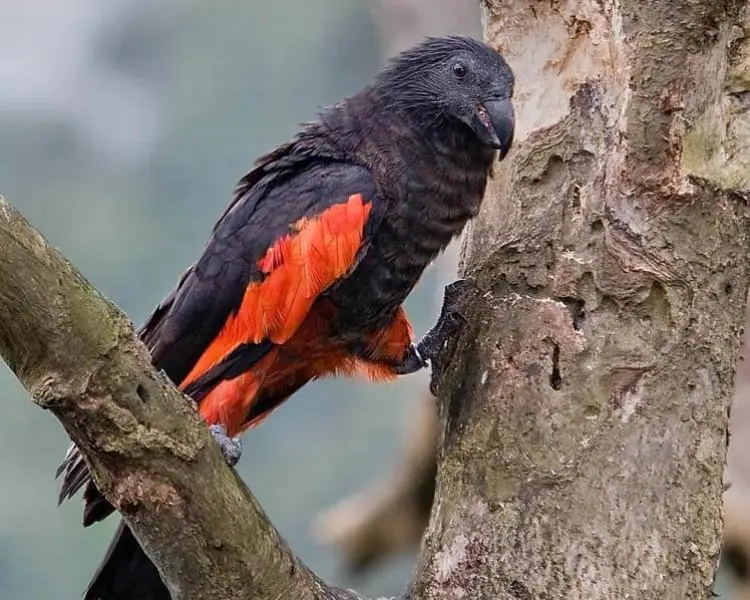
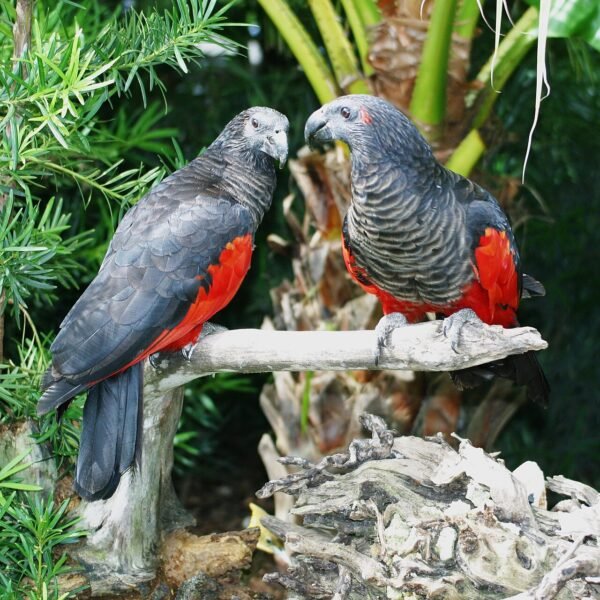
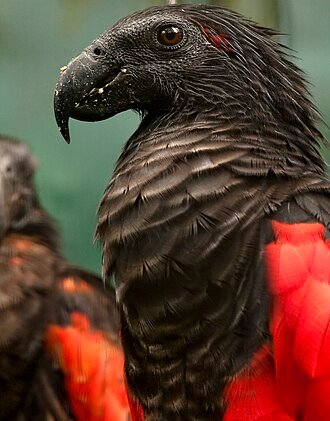
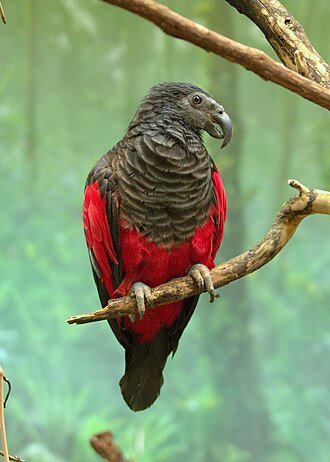
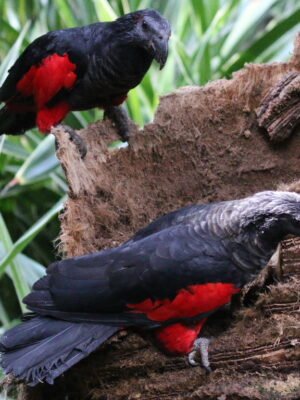
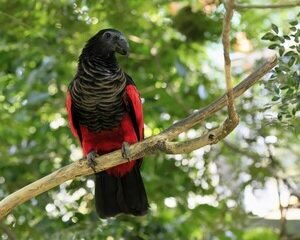
Pesquet’s Parrot is a large, highly distinctive parrot with predominantly dark plumage, vivid red markings, a bare facial area, and a strongly hooked bill.
Unlike many familiar companion parrots, the species has specialized ecological requirements in its natural habitat. This makes responsible professional care particularly important.
Adoption should be approached as a long-term welfare commitment, not simply as obtaining an unusual companion animal.
A responsible rehoming process should consider:
Potential adopters should work with reputable wildlife organizations, licensed facilities, or experienced avicultural professionals where permitted by local law.
Pesquet’s Parrot has specialized needs that should be understood before any rehoming decision.
A suitable environment should provide adequate space, safe perches, enrichment, appropriate humidity and temperature where necessary, and opportunities for natural behaviors.
Because this is not a typical household parrot, specialist knowledge and professional veterinary support can be particularly valuable.
Pesquet’s Parrot has a specialized fruit-based diet in the wild, with figs being an important food source.
Captive nutrition should be designed around the species’ biological requirements rather than simply applying a generic parrot diet. An experienced avian veterinarian or qualified specialist should be consulted when establishing or changing a captive feeding program.
Pesquet’s Parrots are intelligent and active birds. Their natural behavior includes movement through forest canopies, vocal communication, feeding, and social interaction.
Any prospective caretaker should understand that behavioral needs can be complex. Adequate enrichment and an appropriate environment are important components of responsible care.
A qualified avian veterinarian should be identified before taking responsibility for a specialized parrot.
Pesquet’s Parrot for Adoption: Responsible Rehoming, Care & Conservation
Finding a Pesquet’s Parrot for adoption requires careful consideration because this unusual New Guinea parrot has specialized dietary, environmental, veterinary, and legal requirements. Also known as the Vulturine Parrot or Dracula Parrot, its scientific name is Psittrichas fulgidus.
Unlike common companion parrots, Pesquet’s Parrots require specialist knowledge and appropriate facilities. Responsible adoption should always prioritize the bird’s welfare, lawful provenance, and long-term care.
What Is a Pesquet’s Parrot?
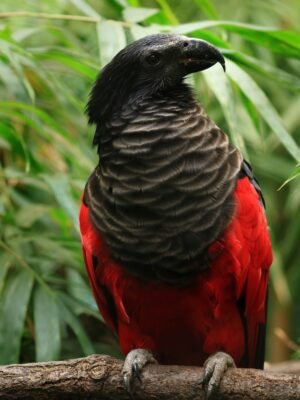
Pesquet’s Parrot is a distinctive parrot native to New Guinea. It is recognized by its dark plumage, bright red markings, bare facial skin, and strongly hooked bill.
The species has evolved specialized adaptations for life in forest habitats and has particular dietary requirements. These characteristics should be understood before considering adoption or rehoming.
Pesquet’s Parrot Adoption
Adopting a Pesquet’s Parrot should be viewed as a long-term commitment rather than simply acquiring an unusual bird.
A responsible adoption assessment should consider:
Previous veterinary records
Legal ownership and provenance
Existing diet and feeding routine
Housing requirements
Behavioral history
Social and enrichment needs
Access to an experienced avian veterinarian
Local wildlife and animal-welfare regulations
A reputable rescue, sanctuary, licensed facility, or experienced avicultural organization should be able to provide meaningful information about the bird’s background and care requirements.
Pesquet’s Parrot Care Requirements
This species requires an environment that accommodates its size, activity level, natural behaviors, and specialized needs.
Appropriate care may involve spacious housing, secure perches, enrichment, climbing opportunities, suitable environmental conditions, and a carefully managed feeding program.
Prospective adopters should have an appropriate setup prepared before taking responsibility for the bird.
Diet and Nutrition
Pesquet’s Parrot has a specialized diet in its natural environment, with fruit such as figs forming an important part of its food supply.
Captive nutrition should not be based on a generic diet intended for common pet parrots. A qualified avian veterinarian or experienced specialist should help establish an appropriate nutritional program.
Fresh food should be handled hygienically, and dietary changes should be introduced carefully.
Behavior and Enrichment
Pesquet’s Parrots are active, intelligent birds that require opportunities for movement, exploration, feeding behaviors, and mental stimulation.
Appropriate enrichment can include safe climbing structures, food-based foraging opportunities, suitable natural materials, and varied environmental experiences.
Behavioral history is particularly important when considering a rescued or rehomed individual because every bird has its own personality and previous experiences.
Veterinary Care
Before adopting a Pesquet’s Parrot, identify an experienced avian veterinarian who is comfortable working with specialized parrots.
Regular monitoring should include:
Body weight and condition
Appetite
Droppings
Feather quality
Activity
Breathing
Vocalization
Changes in normal behavior
Any significant or persistent change should be discussed with a qualified veterinary professional.
Pesquet’s Parrot Conservation Status
Pesquet’s Parrot is currently classified as Vulnerable. Habitat loss, hunting, and other pressures have contributed to conservation concerns surrounding the species.
Because of this status, responsible captive management is particularly important. Prospective adopters should prioritize birds with clear lawful provenance and avoid supporting questionable wildlife trade.
Legal Requirements for Adoption
Laws governing possession and rehoming of exotic or protected birds vary by country and region. Depending on location, permits, registration, documentation, or restrictions may apply.
Before accepting a Pesquet’s Parrot, verify requirements with the appropriate wildlife authority. Never assume that an online listing or seller’s claim establishes legal ownership.
How to Evaluate a Responsible Rehoming Organization
When researching Pesquet’s Parrot adoption, look for organizations that prioritize animal welfare and transparency.
Useful questions include:
Can the organization provide the bird’s history?
Is veterinary documentation available?
Is lawful provenance documented?
What diet is the bird currently receiving?
What housing does the bird require?
What behavioral information is available?
What legal documentation is required?
Does the organization provide post-adoption guidance?
Be particularly cautious about listings that provide little information about the bird but emphasize urgency or payment.
Is a Pesquet’s Parrot Suitable for Every Home?
No. The species’ specialized diet, environmental needs, intelligence, activity level, and conservation status mean it is not suitable for every household.
A prospective adopter should evaluate available space, time, finances, veterinary access, noise tolerance, and long-term commitment before proceeding.
Can I adopt a Pesquet’s Parrot?
Where legally permitted, individual captive birds may sometimes be rehomed through legitimate rescue organizations, sanctuaries, licensed facilities, or appropriate avicultural programs. Availability and requirements vary by jurisdiction.
What is another name for Pesquet’s Parrot?
It is also commonly called the Vulturine Parrot and Dracula Parrot.
What is the scientific name of Pesquet’s Parrot?
Its scientific name is Psittrichas fulgidus.
What does a Pesquet’s Parrot eat?
The species has a specialized fruit-based diet in the wild, including figs. Captive dietary requirements should be established with appropriate specialist guidance.
Is Pesquet’s Parrot endangered?
Pesquet’s Parrot is currently classified as Vulnerable. Conservation concerns make responsible captive management and lawful provenance particularly important.
What should I prepare before adoption?
Prepare appropriate housing, enrichment, a suitable diet plan, veterinary access, legal documentation, and a long-term care plan before taking responsibility for the bird.
Reviews
There are no reviews yet.