
Beautiful Plants For Your Interior
$2,300.00
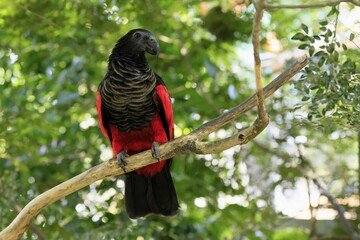
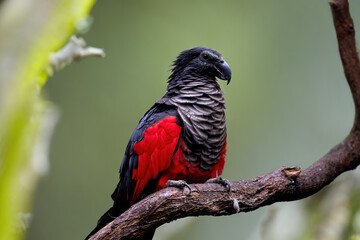
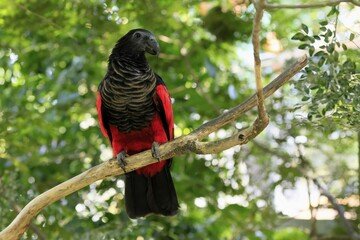
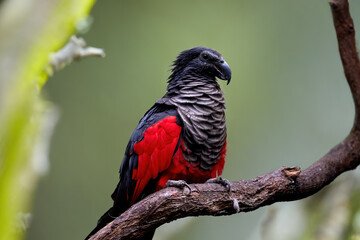
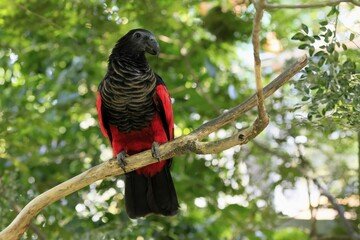
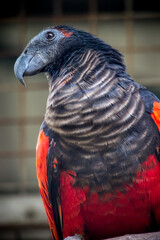
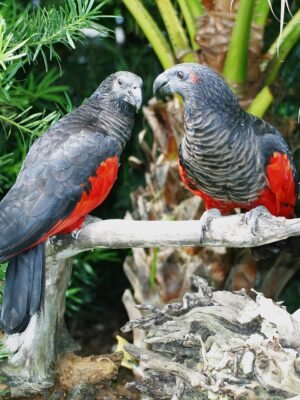
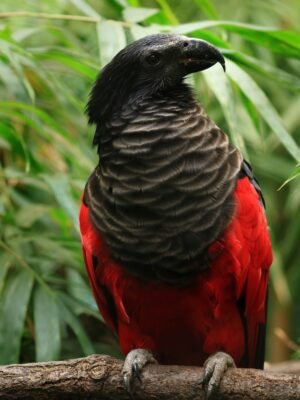
The Vulturine Parrot, commonly known as Pesquet’s Parrot or the Dracula Parrot, is one of the world’s most unusual parrots. Its scientific name is Psittrichas fulgidus, and it is native to New Guinea.
A hand-tamed individual may become accustomed to human presence and routine handling, but temperament varies between birds. Because this is a specialized and conservation-sensitive species, responsible care should always take priority over appearance or novelty.
“Hand-tamed” generally describes a bird that has been regularly exposed to people and has learned to tolerate or participate in human interaction.
It does not necessarily mean that every individual will enjoy being handled. A bird’s personality, previous experiences, socialization, environment, and relationship with its caregiver all influence behavior.
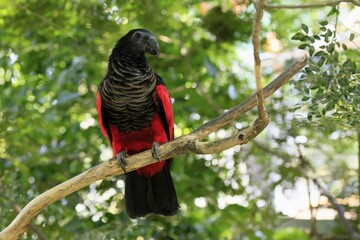
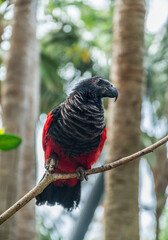
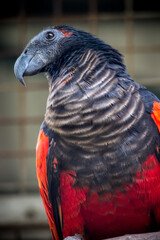
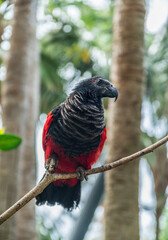
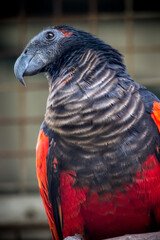
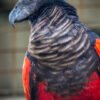
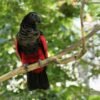
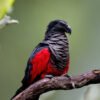
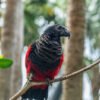
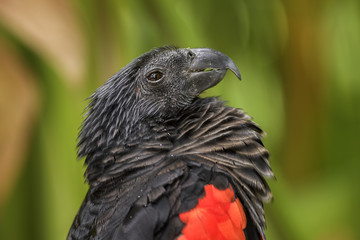
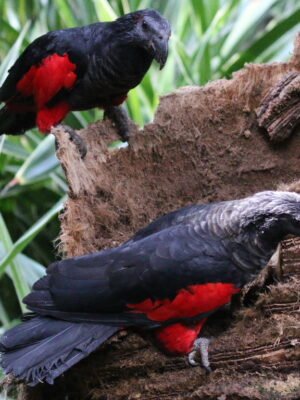
Pesquet’s Parrot is immediately recognizable by its predominantly black or dark plumage, vivid red markings, bare facial skin, and strongly curved bill.
The species’ unusual appearance has led to its nickname “Dracula Parrot,” although this is simply a popular name inspired by its coloration and facial features.
A well-socialized Vulturine Parrot may become comfortable around familiar people, but prospective caregivers should not assume that hand-taming guarantees a particular temperament.
Positive, low-stress interaction is preferable to forced handling. Birds should have opportunities to retreat and should never be punished for showing fear, discomfort, or defensive behavior.
Vulturine Parrots require specialist husbandry. A suitable environment should provide adequate space, secure perches, enrichment, safe materials, appropriate environmental conditions, and opportunities for natural behaviors.
Daily routines should be predictable while still providing appropriate mental stimulation.
Pesquet’s Parrot has a highly specialized fruit-based diet in its natural environment, including figs.
Captive nutritional management should be developed with experienced avicultural or veterinary guidance rather than assuming that a standard seed-based parrot diet is appropriate.
Enrichment can encourage natural behaviors such as exploration, climbing, foraging, chewing, and movement.
Positive-reinforcement training may help a bird become comfortable with routine husbandry procedures, transportation, veterinary examinations, and familiar human interaction.
Training should always be gradual and welfare-focused.
Specialized parrots benefit from access to an experienced avian veterinarian.
Regular monitoring can include body weight, appetite, droppings, feather condition, activity, breathing, and behavior. Any significant change should be evaluated by a qualified professional.
Pesquet’s Parrot is classified as Vulnerable, making responsible captive management particularly important.
Anyone considering taking responsibility for an individual bird should verify its lawful provenance and all applicable wildlife requirements. Documentation and veterinary records should be carefully maintained.
If a hand-tamed Vulturine Parrot needs a new home, responsible rehoming should prioritize the bird’s welfare rather than speed of placement.
Important considerations include:
Established rescue organizations, sanctuaries, licensed facilities, and experienced avicultural professionals may be appropriate resources depending on local regulations.
It generally means a bird has been accustomed to human interaction and handling. It does not guarantee that every bird will accept handling from unfamiliar people.
This is a highly specialized species and is not comparable to a typical companion parrot. Its diet, environmental needs, conservation status, and specialist-care requirements should be carefully considered.
The species is commonly called Pesquet’s Parrot and Dracula Parrot.
The scientific name is Psittrichas fulgidus.
In the wild, the species has a specialized fruit-based diet, including figs. Captive dietary planning should be undertaken with qualified specialist or veterinary guidance.
Wildlife protection and ownership requirements vary by jurisdiction. Because the species has conservation concerns, prospective keepers should verify current requirements with the appropriate wildlife authority.
Reviews
There are no reviews yet.