
Beautiful Plants For Your Interior
$1,800.00
Pesquet’s Parrot
Vulturine Parrot
Dracula Parrot species
Dracula Parrot identification
Dracula Parrot habitat
Dracula Parrot diet
Dracula
Pesquet’s Parrot facts
Psittrichas fulgidus
Dracula Parrot scientific name
what is a Dracula Parrot
where do Dracula Parrots live
what do Dracula Parrots eat
are Dracula Parrots endangered
Pesquet’s Parrot conservation status
Dracula Parrot identification guide
Vulturine Parrot species guide
Pesquet’s Parrot habitat and diet
Dracula Parrot Guide: Pesquet’s Parrot Identification, Habitat & Conservation
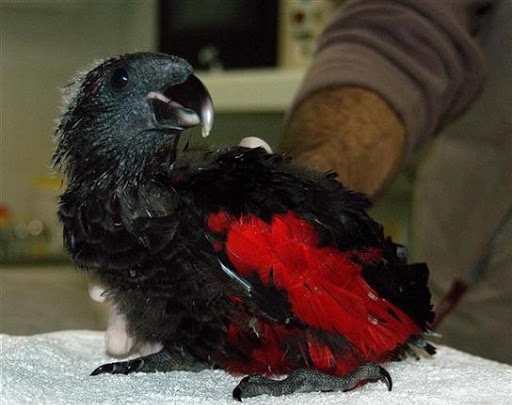
The Dracula Parrot, more commonly known as Pesquet’s Parrot or the Vulturine Parrot, is one of the world’s most unusual parrots. Its scientific name is Psittrichas fulgidus, and it is the only species in its genus. The species is native to the mountainous forests of New Guinea.
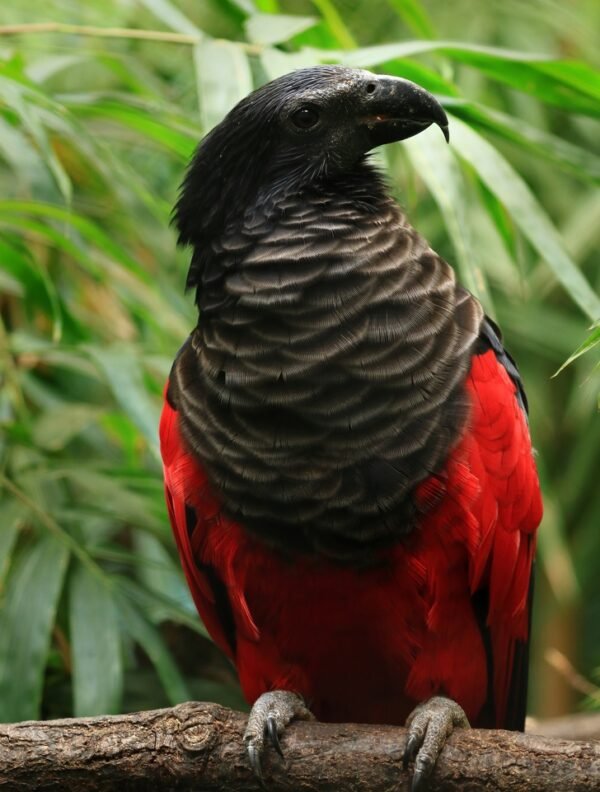
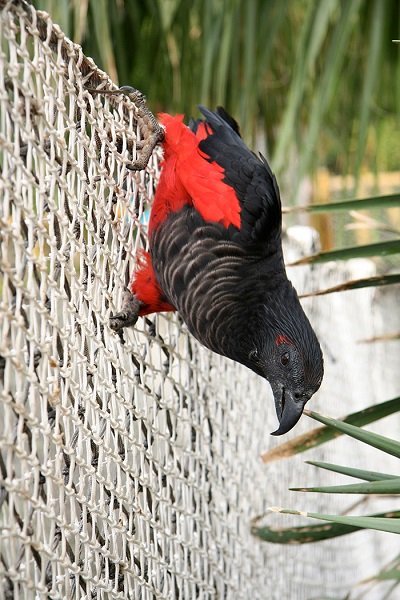
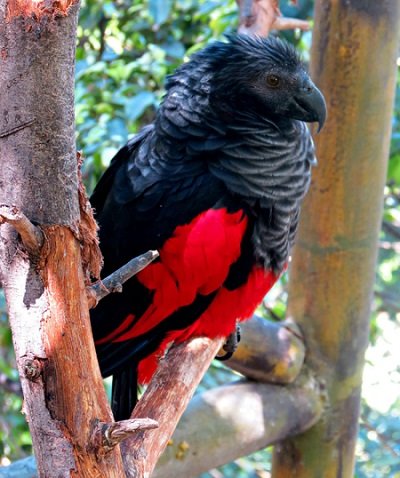
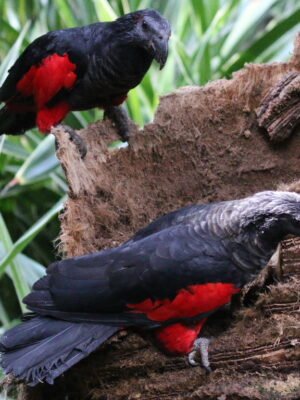
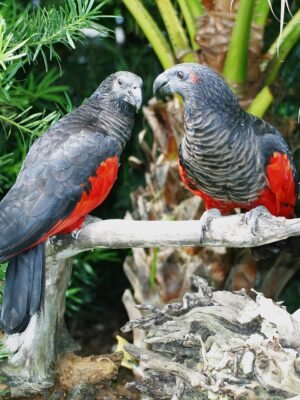
Despite its dramatic nickname, the Dracula Parrot does not drink blood. Its unusual appearance comes from its predominantly dark plumage, red markings, bare facial skin, and distinctive hooked bill.
Dracula Parrot Identification
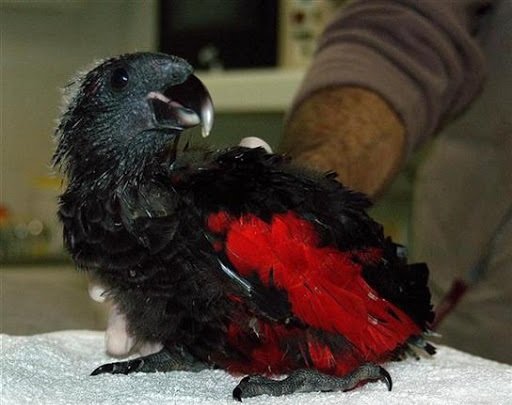
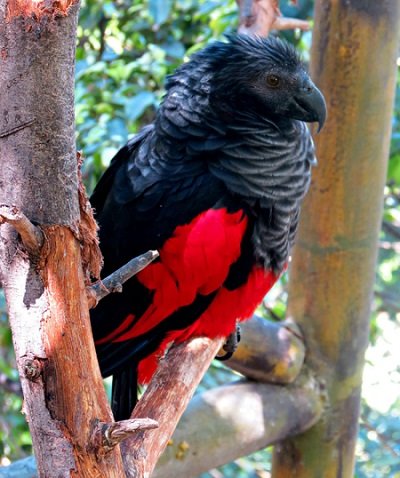
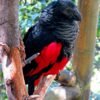
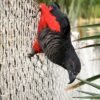
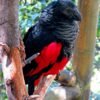
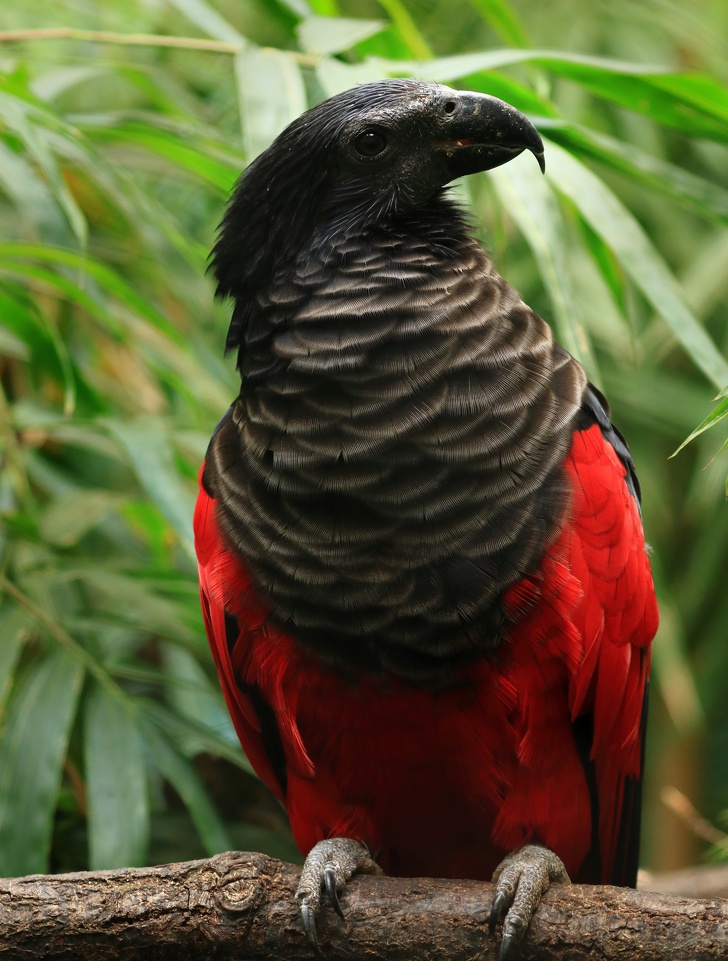
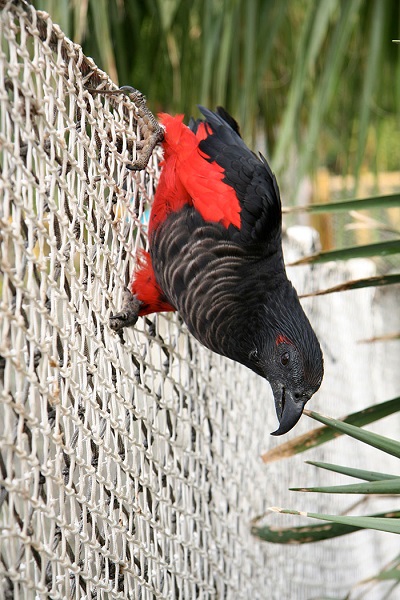
Pesquet’s Parrot is approximately 46 cm (18 inches) long and has a distinctive black, gray, and red appearance. Adult birds have bare dark facial skin, dark plumage across much of the body, and vivid red coloration on parts of the lower body and wings.
The species can be distinguished from most other parrots by its vulture-like head profile and featherless face. Its dark eyes and strongly hooked black bill contribute to its unusual appearance.
Why Is It Called the Dracula Parrot?
The nickname comes from the bird’s striking black-and-red coloration and unusual appearance. Its vulture-like head and bare face have also contributed to the alternative name Vulturine Parrot.
The name is purely descriptive: Pesquet’s Parrot is a fruit-eating bird rather than a blood-feeding animal.
Habitat and Distribution
Pesquet’s Parrot is endemic to New Guinea. It occurs primarily in foothill and lower-mountain forests, including primary and tall secondary forest. The World Parrot Trust reports a typical elevation range of approximately 500–2,000 meters, with occasional records at lower elevations.
Its specialized diet means that the availability of suitable fruiting trees is particularly important to the species.
Diet
Unlike its intimidating appearance, the Dracula Parrot has a highly specialized fruit-based diet. It feeds mainly on the soft pulp of figs and may also consume mangoes, flowers, and nectar.
This specialization is one reason the species is particularly interesting to ornithologists and conservationists.
Behavior
Pesquet’s Parrots may occur in pairs or groups and are often encountered high in the forest canopy. Their calls have been described as harsh, rasping, or screeching, making vocalizations another useful feature for field observation.
They are strong, conspicuous fliers and can travel through the forest in noisy groups.
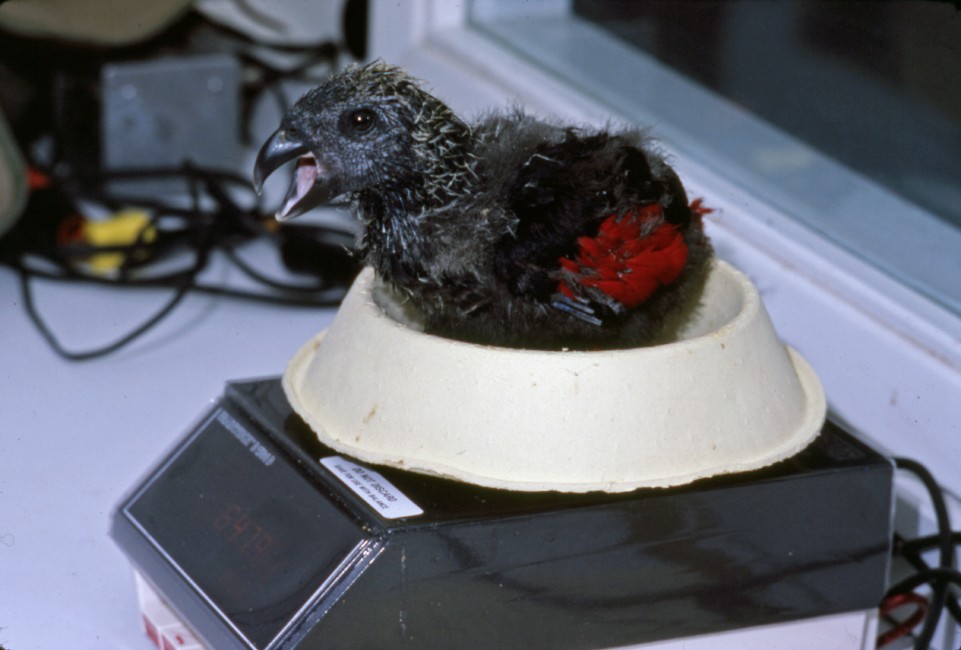
Pesquet’s Parrot is currently classified as Vulnerable. The World Parrot Trust estimates approximately 20,000–50,000 mature individuals and reports a decreasing population trend. Hunting for feathers, habitat pressures, and other human activities are among the documented conservation concerns.
Because wild populations face ongoing pressures, responsible conservation messaging is important when discussing this species online.
Legal and Ethical Considerations
Anyone researching ownership, international movement, breeding, or trade in Pesquet’s Parrots should first verify the applicable wildlife and CITES requirements in the relevant countries. Historical CITES documentation lists Psittrichas fulgidus among regulated parrot species, so assumptions about unrestricted international trade should be avoided.
The Dracula Parrot is another common name for Pesquet’s Parrot, Psittrichas fulgidus, also known as the Vulturine Parrot.
Do Dracula Parrots drink blood?
No. Despite the nickname, Pesquet’s Parrots are specialized fruit eaters, particularly adapted to feeding on soft fruit such as figs.
Where do Dracula Parrots live?
They are endemic to New Guinea and primarily inhabit foothill and montane forest environments.
Are Dracula Parrots endangered?
Pesquet’s Parrot is currently classified as Vulnerable, with a decreasing population trend.
What is the scientific name of the Dracula Parrot?
Its scientific name is Psittrichas fulgidus. It is the only species in the genus Psittrichas.
Reviews
There are no reviews yet.