
Beautiful Plants For Your Interior


$3,800.00
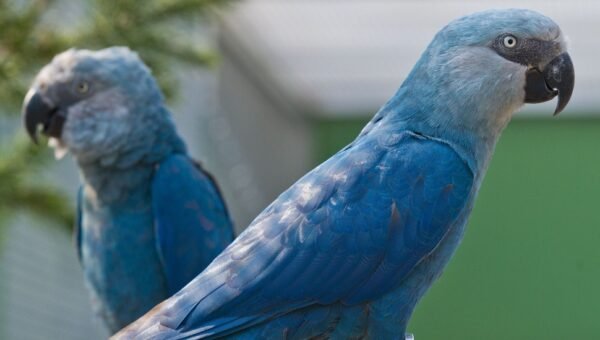
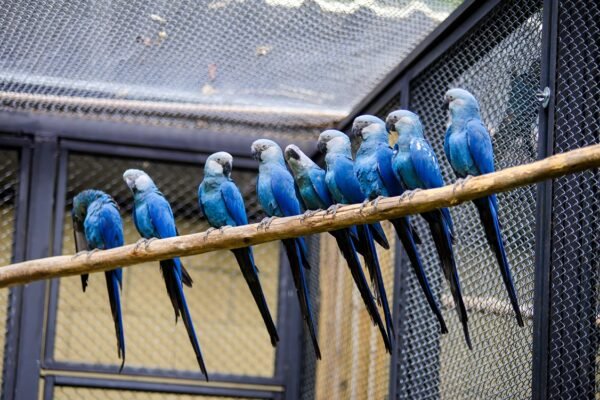
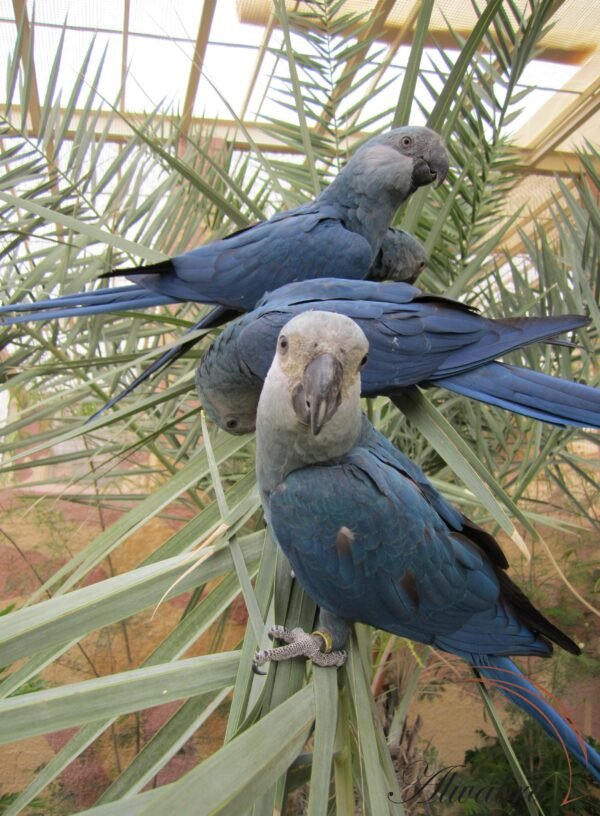
Helen Spix Macaw Parrot is a search topic connected to one of the world’s most remarkable and critically protected parrot species, the Spix’s Macaw (Cyanopsitta spixii). Known for its striking blue plumage and rarity, the Spix’s Macaw has become an important symbol of international parrot conservation.
If Helen refers to an individual Spix’s Macaw documented by a recognized conservation program, her story should be presented using verified records from the organization responsible for her care or management.
Individual birds can play an important role in conservation breeding and population-management programs. Accurate identification, pedigree information, health records, and official documentation are particularly important for a species as rare as the Spix’s Macaw.
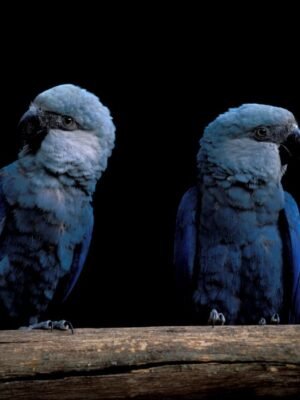
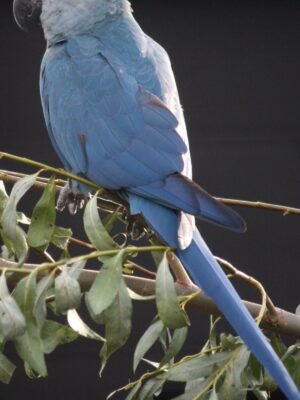
The Spix’s Macaw is a small blue macaw native to Brazil. Its distinctive appearance, rarity, and conservation history have made it one of the best-known endangered parrots in the world.
The species suffered a dramatic population decline as a result of habitat loss and historical capture. Conservation programs have worked to maintain captive populations and support efforts to restore the species to suitable habitat.
The story of the Spix’s Macaw is primarily a conservation story. Breeding programs, scientific research, habitat protection, population management, and reintroduction efforts are important components of the species’ recovery.
Organizations involved in Spix’s Macaw conservation carefully manage individual birds to maintain genetic diversity and support long-term population recovery.
The Spix’s Macaw demonstrates the importance of protecting endangered wildlife before populations become critically small. Its recovery efforts also highlight the relationship between habitat conservation, responsible breeding, scientific cooperation, and wildlife protection.
For people interested in parrots, learning about the species can be an excellent way to understand the challenges facing endangered birds.
If Helen is an individual bird referenced by a conservation organization, identification should be confirmed through that organization’s official records rather than unverified online advertisements.
The Spix’s Macaw is native to Brazil, particularly the Caatinga region.
Historical habitat loss, capture, and other environmental pressures contributed to its severe population decline.
No. The species is highly protected, and any legitimate transfer or management is subject to applicable wildlife laws and conservation regulations.
Spix Macaw conservation is one of the most important endangered-parrot recovery efforts in the world. The Spix’s Macaw (Cyanopsitta spixii), famous for its brilliant blue plumage, experienced a dramatic population decline caused by habitat loss, historical capture, and other human pressures.
Today, conservation programs focus on protecting the species, maintaining genetically managed populations, restoring habitat, and supporting carefully planned reintroduction efforts.
Spix Macaw conservation includes the coordinated efforts to protect the species and rebuild a sustainable population. These efforts can involve captive breeding, genetic management, habitat restoration, scientific research, monitoring, and reintroduction.
Because the remaining population is extremely limited, conservation organizations carefully manage individual birds and breeding programs.
The Spix’s Macaw has faced severe threats throughout its history. The destruction and modification of its natural habitat reduced the areas where the species could survive and reproduce.
Historical capture for the wildlife trade also contributed to its decline. These pressures made conservation action essential for preventing the species from disappearing completely.
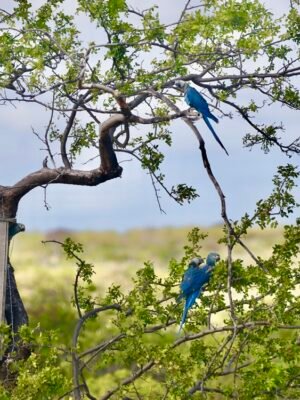
Protecting suitable habitat is an essential part of long-term recovery. The species is associated with Brazil’s Caatinga, an ecosystem containing distinctive vegetation and seasonal environmental conditions.
Habitat conservation can include protecting remaining natural areas, restoring degraded habitat, maintaining suitable food resources, and improving conditions needed for successful reproduction.
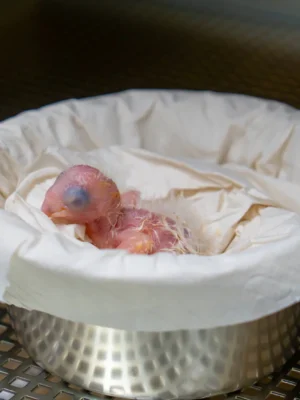
Captive breeding has played an important role in the conservation of the Spix’s Macaw. Conservation programs manage breeding pairs and individual birds with the objective of maintaining genetic diversity and increasing the population.
Genetic management is particularly important when working with a species that has experienced an extremely small population size.
One of the major goals of Spix Macaw conservation is establishing a sustainable population in suitable protected habitat. Reintroduction requires extensive preparation, including habitat assessment, bird selection, health monitoring, post-release observation, and cooperation among conservation specialists.
Reintroduction is therefore much more complex than simply releasing captive-bred birds into the wild.
People interested in the species can contribute by learning from reputable conservation organizations, supporting legitimate conservation projects, protecting natural habitats, and avoiding illegal wildlife trade.
Sharing accurate information is also important. Because the Spix’s Macaw is extremely rare, misleading advertisements and unverified claims can undermine conservation efforts.
Conservation is important because the Spix’s Macaw experienced an extreme population decline and requires coordinated protection and population-recovery efforts.
The species’ conservation story is closely associated with Brazil, including efforts focused on its historic habitat in the Caatinga.
Major approaches include captive breeding, genetic management, habitat restoration, scientific research, monitoring, and reintroduction.
The Spix’s Macaw is a highly protected species and is not an ordinary pet-trade species. Anyone encountering an advertisement offering one should verify its legitimacy and applicable wildlife regulations.
Spix Macaw conservation combines science, habitat protection, captive breeding, genetic management, and reintroduction. The recovery of this remarkable blue macaw demonstrates how long-term cooperation and responsible conservation can help protect species facing extreme population declines.
For anyone interested in endangered parrots, the Spix’s Macaw provides an important example of why protecting wildlife and its natural habitat matters.
Reviews
There are no reviews yet.